
Baby Boomers in Philadelphia area are reevaluating retirement plans due to economic uncertainty.
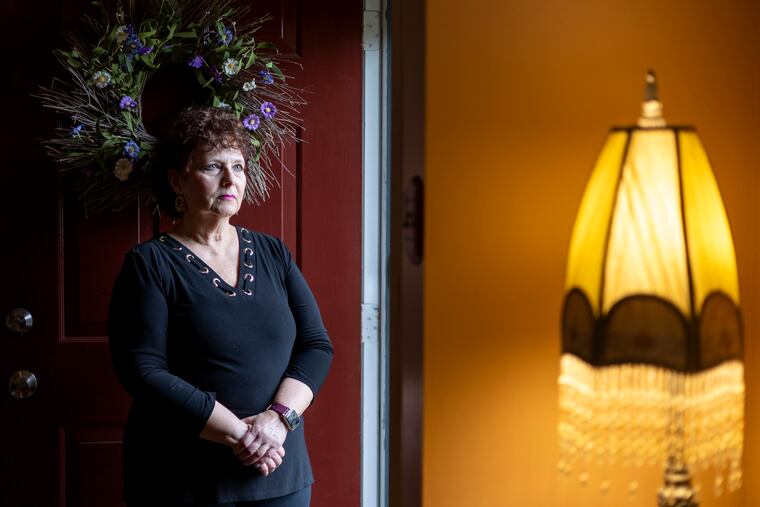
Cynthia “Cindy” Arena, a seasoned paralegal with 35 years of experience, was preparing to retire next week. This transition, however, has been complicated by recent fluctuations in the stock market, largely driven by President Donald Trump’s global tariffs. In recent months, Arena witnessed the value of her retirement accounts decline significantly, prompting her to reconsider her plans.
Arena, age 66 and a resident of Phoenixville, has expressed her anxiety about financial stability during retirement, stating that the losses she sustained have made her hesitant to move forward with her original retirement plans. Reflecting on her upbringing during the Great Depression, she emphasizes a lifelong vigilance regarding saving and financial security, which continues to influence her decision-making.
Deciding to maintain her work schedule, Arena plans to reduce her commitments to two days a week while beginning to collect Social Security benefits. She intends to defer withdrawals from her investment accounts for as long as possible, aiming to safeguard her financial future amid ongoing market uncertainty.
This situation is not unique to Arena. Across the United States, many retirees and individuals on the cusp of retirement are grappling with similar dilemmas. A significant stock market downturn in early April saw numerous investors experiencing losses of ,000 or more in just a few days. According to AARP, close to 25% of American residents aged 50 and older have no retirement savings, with older individuals who have spent years planning for retirement facing substantial declines in their investment portfolios.
In light of the recent market rebound, uncertainty continues to loom, fueled by discussions surrounding potential new tariffs. Financial advisors, including those at TrueWealth Solutions, are receiving frequent inquiries from clients concerned about their investments. Many are seeking guidance on whether to sell off assets or take protective measures to preserve their existing savings.
Experts emphasize that the decade surrounding retirement is critical for financial planning, often referred to as the “dangerous decade.” Poor market performance during this time can drastically affect a retiree’s ability to enjoy a comfortable retirement.
Despite the anxiety surrounding the market, some individuals are choosing to stick to their retirement strategies. Retirees and soon-to-be retirees express a mix of concern and resolve, often citing a sense of confidence based on historical patterns. According to a recent Employee Benefit Research Institute survey, 70% of U.S. workers and retirees reported feeling optimistic about their retirement plans even amidst market volatility.
For individuals like Margie Merlino, who worked in clinical trials before retiring, the emphasis remains on sticking to their plans while adjusting to preserve future resources. Merlino aims to leave her savings intact for now and is focused on enjoying her retirement through part-time employment in fulfilling roles.
Cynthia Arena is hopeful that her adjustments allow for a fuller engagement with life outside of work, including intentions to travel and volunteer. Although she has had to make compromises, she continues to look forward to a rich and meaningful retirement experience.


