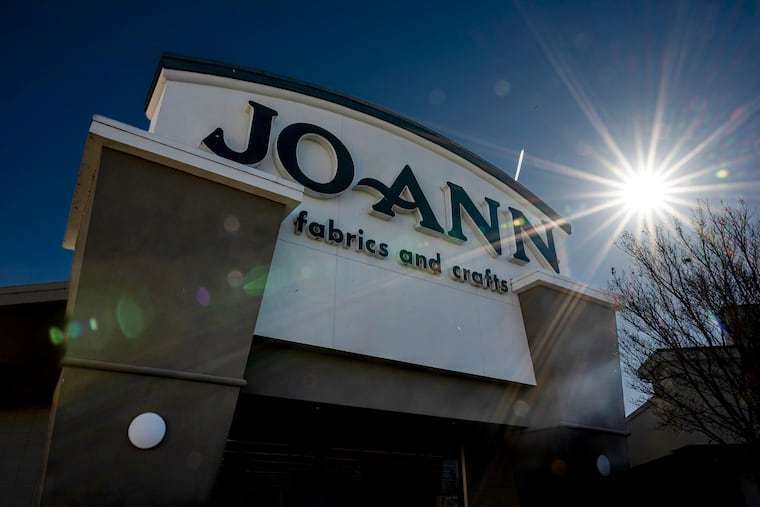
Bankruptcies rise as businesses contend with inflation and tariffs.
In 2025, corporate bankruptcies reached levels reminiscent of the aftermath of the Great Recession, with import-dependent businesses grappling with the highest tariffs seen in decades. Data from S&P Global Market Intelligence indicates that by November of this year, at least 717 companies had filed for bankruptcy, marking an approximate 14% increase compared to the same period in 2024 and the most significant threshold since 2010.
The financial struggles facing these companies have primarily been attributed to rising inflation and interest rates, as well as the trade policies deployed during the Trump administration. These policies have significantly disrupted supply chains and increased operational costs. Notably, the surge in bankruptcies is particularly evident within the industrial sector, encompassing manufacturing, construction, and transportation companies. Many in this sector have suffered job losses, with federal data revealing a decline of more than 70,000 jobs over the year leading up to November.
Several of the bankruptcies stem from consumer-oriented businesses, particularly those offering discretionary products and services such as fashion and home furnishings. This trend reflects a shift in consumer priorities as inflation-weary shoppers focus on essential goods rather than nonessential items.
The data from S&P includes both Chapter 11 and Chapter 7 filings. Chapter 11 allows businesses to reorganize their debts while remaining in operation, whereas Chapter 7 entails the liquidation of assets following closure. Economists have noted that the trade wars have placed significant pressure on companies reliant on imports, resulting in a reluctance to raise prices excessively for fear of losing customers.
While inflation rates have moderated—recording an annual growth of 2.7% in November—many businesses continue to absorb cost increases in an effort to maintain customer loyalty. This has resulted in a precarious situation for numerous companies, with some struggling to remain viable in the face of escalating expenses.
Of particular concern is the emergence of “mega bankruptcies,” defined as filings by firms with assets exceeding billion. In the first half of 2025, 17 companies reached this threshold, the highest number since the COVID-19 pandemic began. Noteworthy among these were consumer discretionary businesses, including well-known retailers.
Bankruptcies have also touched industrial enterprises, with a mix of manufacturers, suppliers, and firms in the renewable energy sector filing for bankruptcy protection. The fallout from changes in renewable energy policy, combined with increased tariffs on imported materials essential for solar projects, contributed to the struggles of several companies in this category.
The economic landscape has further complicated the situation. While recent data suggests robust economic growth, this overall expansion may not be uniformly felt across all sectors. Indeed, the fast-paced growth is largely attributed to affluent consumers and corporate investments in emerging technologies such as artificial intelligence, leaving a portion of the economy grappling with the realities of rising costs and altered consumer behavior.
In conclusion, the rising bankruptcy filings witnessed in 2025 serve as a stark reminder of the ongoing challenges faced by various industries. Factors such as trade policy, inflation, and changing consumer preferences are collectively reshaping the corporate landscape, underscoring the fragility of certain sectors even amid broader economic growth.