
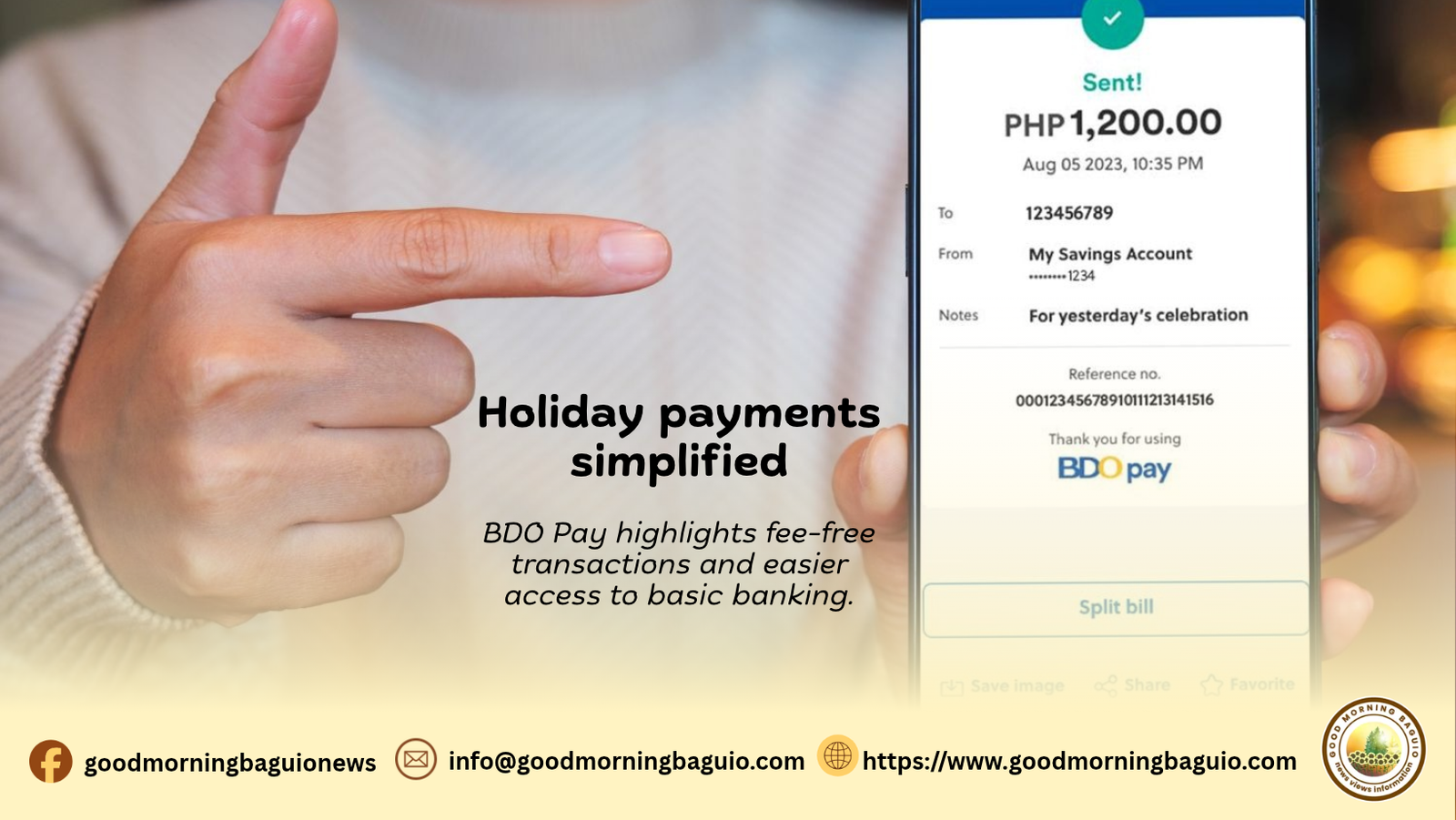
Media News Source reports that the Philippines is witnessing a significant transformation in the financial sector, particularly in the realm of digital payments. The rapid adoption of technology has prompted banks and financial institutions to innovate their services, making transactions more seamless and accessible for consumers.
One of the notable developments in this landscape is the growing popularity of digital wallets and online banking applications. Not only do these platforms offer convenience, but they also enhance security measures for users, promoting a cashless economy. With a growing smartphone penetration rate, many Filipinos are now equipped to use digital payment methods, shifting away from traditional cash transactions.
BDO Unibank, one of the largest banks in the Philippines, has been at the forefront of this shift. The bank recently launched a new payment feature that allows users to make instant money transfers and payments through its mobile app. This initiative aims to cater to the evolving needs of its customer base, particularly among those who prioritize convenience and efficiency in their banking experiences.
The push for digital transactions aligns with the Philippine government’s goals of enhancing financial inclusion across the archipelago. By encouraging the use of electronic payments, authorities aim to bring more people into the formal financial system, thereby reducing the reliance on cash and improving overall economic stability. The pandemic has further accelerated this trend, as many consumers have sought contactless solutions to minimize the risk of virus transmission.
As the digital landscape continues to evolve, competition among banks is expected to intensify. Financial institutions are likely to enhance their offerings, including integrating advanced technologies such as artificial intelligence and blockchain, to provide more secure, efficient, and user-friendly services.
Moreover, fintech startups are emerging as significant players in this arena, challenging traditional banks by providing innovative solutions tailored to the needs of modern consumers. These companies are leveraging technology to streamline services and attract a younger demographic, which is increasingly turning to digital platforms for their financial needs.
In summary, the combination of technological innovation, government support for digital payments, and shifting consumer behavior is reshaping the financial landscape in the Philippines. As more Filipinos turn to digital transactions, the future of banking appears to be increasingly cashless, allowing for a more inclusive and efficient financial ecosystem.