
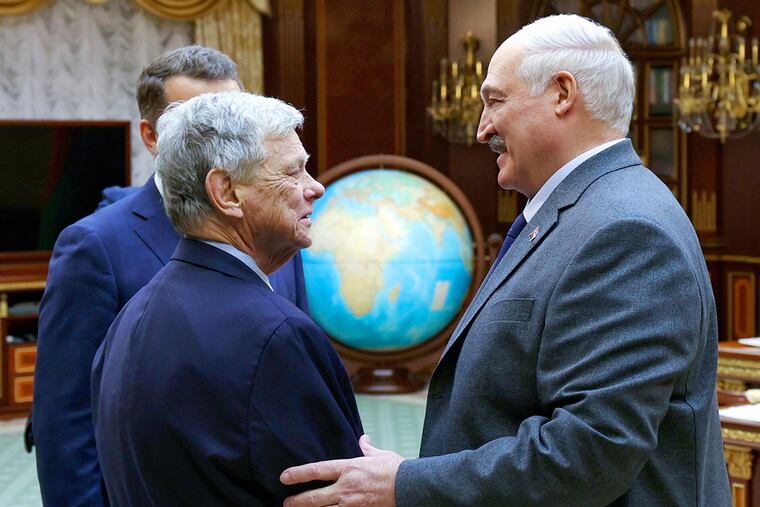
Belarus releases Nobel laureate Ales Bialiatski and opposition leader Maria Kolesnikova following the lifting of U.S. sanctions.
In a notable diplomatic shift, Belarus has released prominent political prisoners, including Nobel Peace Prize laureate Ales Bialiatski and opposition leader Maria Kolesnikova. This decision comes after two days of discussions between Belarusian President Alexander Lukashenko and U.S. officials aimed at normalizing relations and unblocking critical U.S. sanctions on Belarus’ potash sector, a major agricultural export.
The U.S. government confirmed the easing of sanctions on Belarus’ potash industry, which has been significantly impacted by Western restrictions in recent years. In exchange for this concession, Lukashenko pardoned 123 prisoners, including individuals from the U.S. and its allied nations. This marks a significant development in U.S.-Belarus relations, with John Coale, the U.S. special envoy for Belarus, describing the meetings as productive.
Belarus has been under intense Western scrutiny and sanctions due to its strong ties with Russia and a harsh crackdown on dissent for over three decades under Lukashenko’s authoritarian rule. The release of prisoners follows a trend, as more than 430 political prisoners have been freed since July 2024.
Among those released, Bialiatski is distinguished as a leading human rights advocate and founder of the Viasna human rights center. Bialiatski was imprisoned for charges widely regarded as politically motivated, sparking international condemnation. His unexpected release, after spending over 1,600 days in confinement, underscores a potentially new chapter in Belarusian governance, even as calls for caution remain. Bialiatski has vowed to continue advocating for those still imprisoned in Belarus.
Kolesnikova, known for her central role in the mass protests against Lukashenko’s regime in 2020, was similarly incarcerated under charges of conspiracy to seize power. Her symbolic act of detaining her own passport to avoid being deported has cemented her status as a figure of resistance.
Other released individuals include Viktar Babaryka, who also aimed to challenge Lukashenko in the rigged 2020 presidential elections, and various members of the Viasna organization. The release demonstrates a tactical maneuver by Lukashenko to alleviate crippling sanctions and engage diplomatically with the West.
The Belarusian potash sector has suffered considerably following sanctions that targeted the state producer, Belaruskali, affecting the country’s foreign exchange revenues. Analysts suggest that easing U.S. sanctions might facilitate discussions for further alleviation of European sanctions, which Belarus is keen to mitigate.
Despite the incremental thaw in relations, concerns persist regarding Lukashenko’s commitment to systematic changes in governance and human rights. Opposition leader Sviatlana Tsikhanouskaya cautions that while some political prisoners are being released, Lukashenko’s authoritarian policies largely remain unchanged.
Overall, this recent development in Belarus marks an intersection of human rights advocacy and international diplomacy, as the country navigates its relationship with the West amidst ongoing regional tensions, particularly in light of the Russian invasion of Ukraine.


