
Blind Philadelphia resident chooses not to use a seeing-eye dog for assistance.
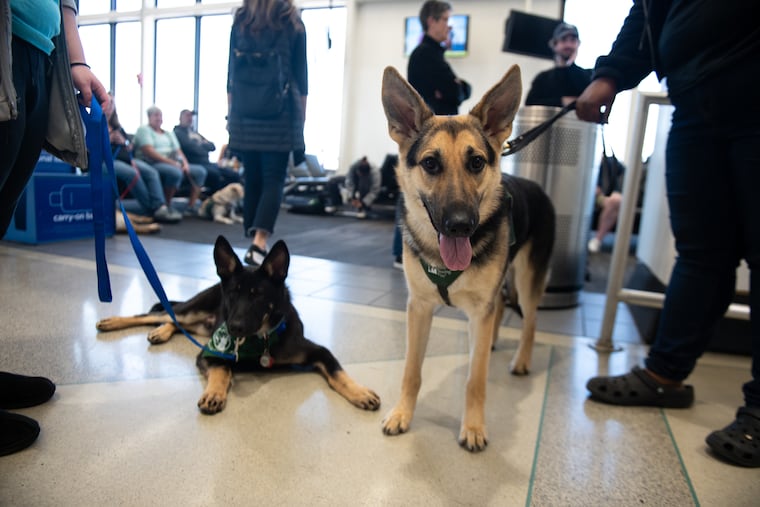
Recent stories featuring Seeing Eye puppies being acclimatized to Philadelphia Airport have sparked public interest in the role of guide dogs for individuals who are blind or severely visually impaired. While these narratives evoke positivity and charm, they inadvertently overshadow a nuanced reality: only approximately 5% of this demographic relies on guide dogs. This statistic invites further reflection on the myriad reasons behind the limited usage of these service animals and the barriers that persist in society.
Owning a guide dog is contingent upon various factors that can be difficult for many visually impaired individuals to navigate. Accessibility to adequate housing is vital. Suitable homes should ideally be near veterinary services, dog parks, safe walking areas, and pet supply stores. Yet, given that roughly 75% of blind individuals are unemployed, finding such conducive living arrangements poses a significant challenge. Moreover, the stereotypes and societal barriers faced by blind individuals can complicate their integration, sometimes exacerbated by the presence of a guide dog.
While the law mandates that service animals be allowed in public spaces, compliance can be inconsistent. Many ride-share companies, restaurants, and similar establishments often do not adhere to regulations regarding guide dogs, leading to disputes that require legal intervention. The requirement for legal representation adds another layer of difficulty for individuals who are already contending with social and economic challenges.
The demands of owning a guide dog can also be considerable. Daily routines are crucial for maintaining a guide dog’s effectiveness, and situations such as loud environments or unconventional settings may render a guide dog’s services impractical. Additionally, distractions from the public, who may pet or engage with the dog during working hours, can disrupt the animal’s training and focus.
In light of these complexities, many blind individuals opt for traditional mobility aids, like white canes, which are less costly and more manageable. A cane can provide robust navigation support without the extensive commitment of training and care associated with a guide dog.
For numerous visually impaired individuals, the appeal of having a guide dog often hinges on personal preference and specific lifestyle choices, such as whether they were already planning to adopt a dog as a pet. While guide dogs can certainly be beneficial for some, the decision to pursue this option remains deeply personal and influenced by various external factors.
The conversation surrounding guide dogs should reflect a broader understanding of the circumstances faced by blind individuals. Emphasizing the diversity of mobility aids and the personal autonomy of those affected will foster a more inclusive and informed dialogue about accessibility and support for the visually impaired community.


