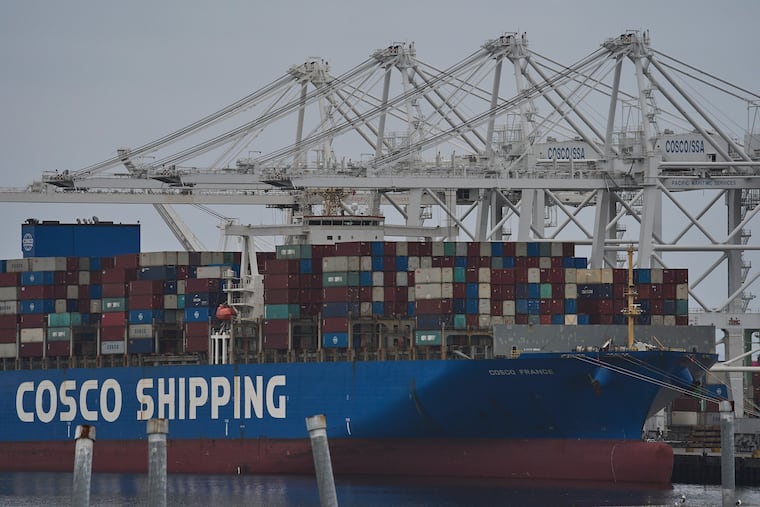
Bonded warehouses can reduce tariff costs for small businesses.
In recent years, the tariff policies implemented during the Trump Administration have markedly impacted businesses dependent on overseas materials. These tariffs, designed to protect domestic industries, have led many companies to seek alternatives that help mitigate rising costs without burdening consumers with increased prices. One such alternative gaining traction is the utilization of bonded warehouses.
The demand for bonded warehousing has surged across the United States, particularly from the mid-Atlantic to the Pacific Northwest. The spike in interest correlates with the imposition of substantial tariffs on goods from various countries, prompting businesses to explore storage solutions that can defer tariff payments. A bonded warehouse, certified by U.S. Customs and Border Protection, allows goods to be imported without immediate tariff payments. Tariffs are deferred until the goods are removed from the warehouse for distribution.
Among the prominent players in this sector is Snapl Solutions Inc., a logistics and fulfillment firm based in Gloucester City, New Jersey. This company exemplifies how bonded warehouses can enhance operational flexibility, alleviate cash flow concerns, and provide strategic advantages in a turbulent trade landscape. The managing director emphasized that smaller firms particularly benefit from this model, as it allows them to control inventory costs by delaying tariff payments until the point of sale.
Bonded warehouses function as critical intermediaries in the logistics chain. They work directly with clients and their customs brokers to ensure compliance with shipping regulations and manage the transportation of goods from port to storage facility. Given the complexity of complying with customs requirements, choosing a warehouse provider with close proximity to major ports can significantly reduce logistical expenses.
Once materials are received at a bonded facility, thorough verification of inventory is conducted, and relevant information is communicated to customs authorities. When businesses place orders for specific items, they are released from the warehouse along with the calculated tariffs based on the value of the goods at the time of withdrawal. This strategic timing can ultimately save companies significant amounts compared to paying tariffs at the time of initial purchase.
Despite the initial complexities involved in utilizing a bonded warehouse, companies often find the process becomes more manageable over time. Many clients expand their use of these facilities as they recognize the benefits in reducing tariff exposure. Some businesses have even adapted their operations to import raw materials for assembly within the U.S., thus minimizing their tariff liabilities further.
Bonded warehouses also offer a range of additional services, including repackaging and storage solutions tailored to specific needs, all of which contribute to inventory management efficiency. As companies navigate ongoing changes in tariff regulations, these warehousing solutions serve as important buffers, providing businesses with the operational flexibility needed to adapt to market fluctuations.
Overall, as the landscape of international trade continues to evolve, many firms are identifying bonded warehouses as enduring partners in their supply chain strategy. This approach enables them to enhance inventory management and effectively navigate the challenging terrain of tariffs and trade agreements, ultimately contributing to improved profitability.
In summary, using bonded warehouses presents a viable solution for businesses striving to mitigate the impact of fluctuating tariffs while maintaining market competitiveness. This strategy is particularly essential for smaller companies looking to optimize their operations without sacrificing customer pricing. As trade dynamics change, the role of bonded warehouses in facilitating effective logistics will likely become even more significant.
Media News Source.