Bones Found on New Jersey Beaches Identified as Remains of 19th-Century Ship Captain
Three decades after bones began washing up on the shores of New Jersey, the identity of a long-deceased ship captain has finally come to light. In late May, researchers confirmed that the skeletal remains belonged to Henry Goodsell, who perished when his schooner, the Oriental, sank off Brigantine’s coast in December 1844. At the time of its wreck, the ship was transporting 60 tons of marble intended for Philadelphia’s Girard College. The tragedy claimed the lives of all five crew members, including Goodsell.
The identification of Goodsell has been made possible through cutting-edge techniques employed by the Investigative Genetic Genealogy Center at Ramapo College, established in 2022. This center specializes in forensic genetic genealogy, an innovative method that has gained notoriety since its pivotal role in the capture of the Golden State Killer in California in 2018. The approach assists law enforcement agencies in solving complex cases by uncovering familial connections via public genetic databases.
Investigative genetic genealogy combines conventional genealogical research, such as analyzing birth and immigration records, with expansive DNA analysis. Individuals who have taken commercial genetic tests may upload their genetic data to online databases like GEDMatch, opting to allow law enforcement access. This expansive DNA testing differs significantly from traditional methods, offering the potential to identify distant relatives, thus enabling genealogists to construct a family tree that may lead to identifying unknown victims.
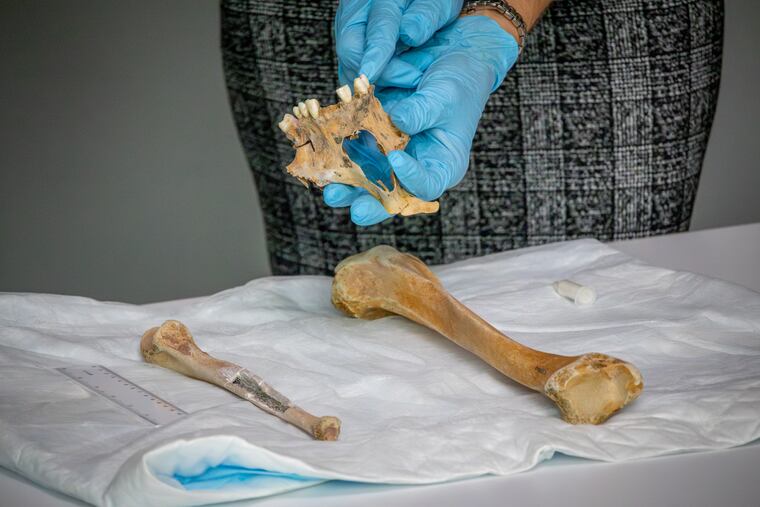
The case of Henry Goodsell began in 1995, when his skull was discovered in Longport, New Jersey. Additional bones were found in Margate in 1999 and later in Ocean City in 2013, leading authorities to designate the remains “Scattered Man John Doe”. In early 2023, collaboration between New Jersey State Police and the Ramapo center commenced to resolve the case. Genetic analyses suggested the remains were far older than previously suspected, with common ancestral links traced back to 1600s Connecticut.
Moreover, the gold fillings found in Goodsell’s skull provided crucial historical context, as they were indicative of 19th-century maritime culture. Researchers then cross-referenced historical shipwreck records, ultimately confirming Goodsell’s identity through genetic samples obtained from his descendants.
This identification is notable not only for resolving a cold case but potentially for being one of the oldest cold cases solved using investigative genetic genealogy techniques. Despite its success, advocates for the methodology acknowledge that its application has limitations, notably concerning the diversity of genetic databases. Most available profiles predominantly represent individuals of European descent, complicating identifications for individuals outside of those demographics.
Investigative genetic genealogy has also shown efficacy in active cases and even in exonerating wrongfully convicted individuals. However, critics caution against privacy concerns involving genetic databases and emphasize that the field relies heavily on voluntary public participation for success. As the field continues to mature and technology evolves, its potential for aiding law enforcement in a variety of contexts remains promising.
This case encapsulates the transformative impact of modern forensic techniques on historical mysteries, demonstrating how advancements in genetic research can provide closure to long-standing inquiries while also inviting critical conversations about ethical and privacy implications tied to such technological progress.
Media News Source