
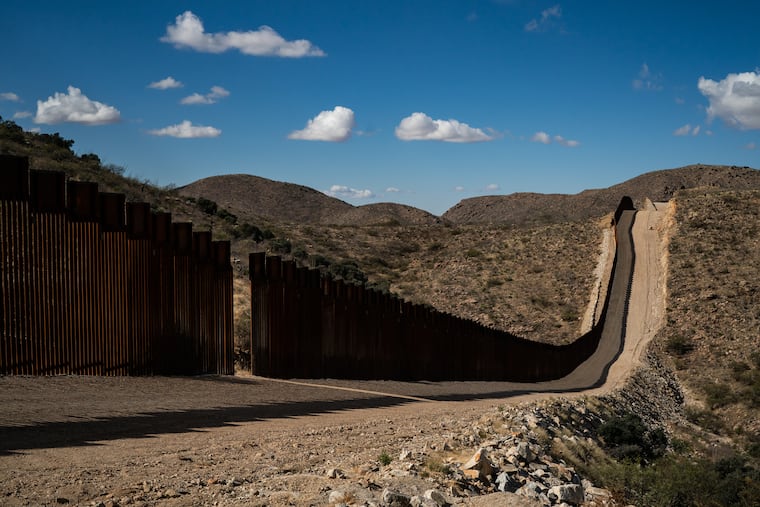
Border wall expansion destroys ancient tribal site.
The construction of a barrier along the southern border with Mexico, initiated by the Trump administration, has recently drawn criticism due to the damage it has inflicted on a significant Native American archaeological site in the Arizona desert. Local residents reported that construction activities have led to the destruction of a portion of a prominent intaglio, a large ground etching in the form of a fish that is believed to be over 1,000 years old. The ongoing project is a part of an ambitious .5 billion initiative designed to erect hundreds of miles of additional border wall, with a notably rapid pace of approximately three miles completed each week.
Area advocates raise concerns that the construction is bypassing vital environmental regulations and protections meant to safeguard historical sites, alarming both environmentalists and Indigenous representatives. Satellite imaging has corroborated claims of disturbance in the area where the intaglio is located, known as Las Playas Intaglio, west of Ajo, Arizona. Customs and Border Protection (CBP), the agency managing the wall’s construction, acknowledged the damage, attributing it to a contractor’s inadvertent actions during their work.
The intaglio lies within the Cabeza Prieta National Wildlife Refuge, an area administered by the Interior Department. The unique history and cultural significance of such sites haven’t been lost on Indigenous leaders. Lorraine Marquez Eiler, an elder of the Hia-ced O’odham Nation, emphasized the importance of these archaeological features, asserting that their destruction parallels the desecration of revered sites across the United States.
As border wall construction continues, concerns remain about the implications for other significant Indigenous sites, including Quitobaquito Springs, an area known for its biodiversity and historical relevance. Additionally, many of these sites could suffer from similar neglect to environmental protection laws that typically govern construction projects, as the Department of Homeland Security has implemented waivers that allow these activities to proceed without the usual assessments.
Despite the reduction in illegal border crossings reported under the Trump administration, the necessity and impact of additional barriers are still subjects of intense debate. Figures within the archaeological community express alarm at the loss of unique cultural artifacts, as they stress the importance of preserving such heritage for future generations. The ramifications of this construction extend beyond environmental concerns, raising critical questions about accountability and respect for Indigenous rights and history.


