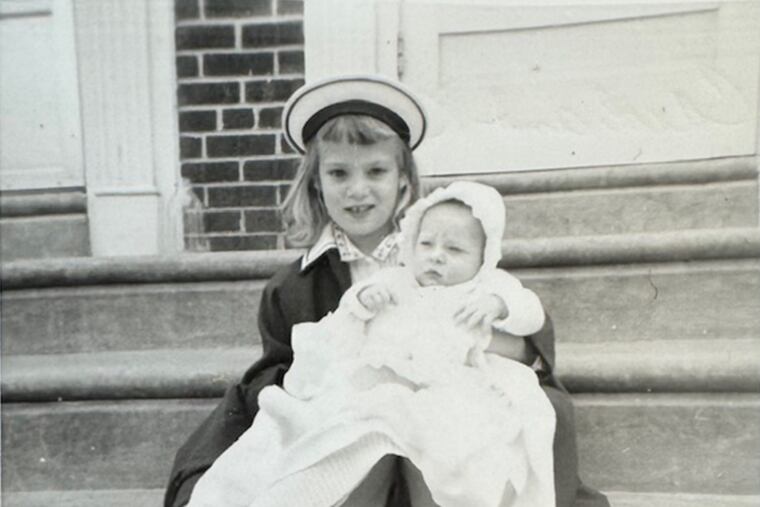
Bristol cold-case rape and murder from 63 years ago has been solved, according to the Bucks District Attorney.
In a significant development more than six decades after the tragic murder of Carol Ann Dougherty, Bucks County officials have publicly identified her killer. District Attorney Jen Schorn announced at a news conference that William Schrader, described as “an absolute predator” with a long history of sexually abusing children, was responsible for the crime committed inside the choir loft of St. Mark’s Catholic Church on October 22, 1962.
Schrader, who had long been considered a suspect in this cold case, died in 2002 in Louisiana at the age of 62. His prior convictions included manslaughter and arson. The resolution of this decades-old case was made possible through a combination of forensic evidence, eyewitness accounts, and a confession he made to his stepson, leading a county grand jury to officially declare him as Carol Ann’s murderer.
Schorn expressed her gratitude at bringing closure to the Dougherty family, who have endured years of grief and uncertainty. She noted the dedication of law enforcement officials, who collectively spent two decades pursuing justice for Carol Ann. The prosecutor highlighted the remarkable effort to keep the case alive, despite significant obstacles.
On the day of her disappearance, Carol Ann, a fifth grader and avid reader, rode her blue-and-white Londoner racing bike on her way to the Bristol Free Library to return some books. Along the way, she stopped for a refreshment at a local store and visited St. Mark’s for a moment of prayer. As time passed and she did not return home, her parents grew concerned. After a search, her father discovered her lifeless body in the church.
The long search for answers had several false leads, as investigators initially focused on two other suspects, one of whom had given a false confession. Another suspect, a Catholic priest, misled authorities about his alibi during the murder’s timeline due to personal involvement in an extramarital affair.
Insights into Schrader’s background revealed a disturbing pattern. He had spent his youth in reform school for sexually assaulting girls and faced additional legal troubles throughout his life. After Carol Ann’s murder, he relocated to Louisiana, where he continued to commit heinous acts against young girls.
Critical evidence in the case included hair samples found on Carol Ann’s body, which matched Schrader, as he was the only suspect who remained in the investigation. New testimonies and revelations about Schrader’s admissions about the murder provided the foundation needed for investigators to finally solve this tragic case.
Carol Ann’s family, particularly her younger sister, expressed deep gratitude for the closure achieved following years of uncertainty. Overcoming a “perfect storm” of investigative challenges, the testimony from various sources played an instrumental role in finally uncovering the truth behind this historical crime.
Amid the somber reflections on the past, the announcement served as a poignant reminder of the importance of persistence in seeking justice and the collective effort of the community to honor the memory of Carol Ann Dougherty. The case has drawn renewed attention, hinting at the lingering impacts of unresolved tragedies on families and communities.
This identification not only marks a crucial moment for the Dougherty family but also underscores ongoing discussions around historical unsolved crimes and their investigations.
For more information and updates, readers can follow developments in this case from reputable news sources, including Media News Source.