
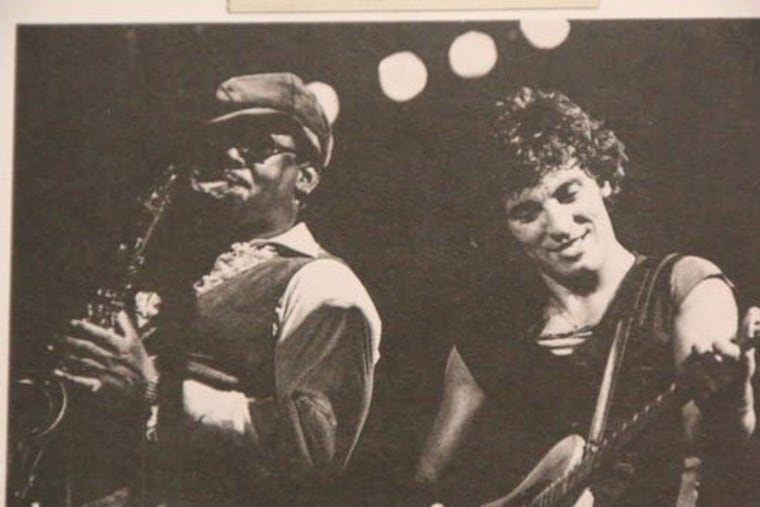
Bruce Springsteen’s ‘Born to Run’ celebrates its 50th anniversary; discussions arise about its status as his greatest album.
In the world of rock music, few artists have managed to achieve a level of cultural influence comparable to Bruce Springsteen, who continues to captivate audiences even 50 years after the release of his iconic album, “Born to Run.” This seminal work not only solidified Springsteen’s place in the music pantheon but also served as a major turning point in his career as an artist determined to resonate deeply with both the musical and cultural landscape of the time.
In his memoir, released in 2016, Springsteen reflected on his ambitious journey, outlining aspirations that extended beyond the conventional notion of success. He and his manager, Mike Appel, envisioned an artistic impact that would echo through generations. This ambition culminated in the creation of “Born to Run,” which encapsulated the vibrancy and struggles of American life.
The journey to produce “Born to Run” was fraught with emotional and artistic challenges. Springsteen initially faced disappointment with his first two albums, “Greetings From Asbury Park, N.J.” and “The Wild, the Innocent & the E Street Shuffle,” which received critical acclaim but fell short commercially. However, by the early 1970s, Springsteen had nevertheless established a dedicated following, particularly in Philadelphia. This foundation offered him the stability to risk everything on his third album, a high-stakes endeavor that he believed could define his career.
The production of “Born to Run” involved numerous setbacks, including moments of self-doubt that led Springsteen to dismiss his work as subpar. Notably, a dramatic incident saw him throw an acetate of the album into a swimming pool in Kutztown, Pennsylvania, in frustration. Despite these low points, his resolve remained unwavering as he focused on his mission to create an exceptional rock and roll record.
Upon its release, “Born to Run” was met with widespread acclaim, propelling Springsteen onto the covers of influential publications like Time and Newsweek within months. The album not only deepened his connection to his audience but also showcased the E Street Band at their prime, offering a powerful blend of rock, jazz, and soul elements. With tracks like “Thunder Road” and “Jungleland,” it became clear that Springsteen’s music resonated with the youthful desire for freedom and the pursuit of love.
“Born to Run” remains a monumental achievement, not just for Springsteen but for the wider music world. Its narrative captures both the optimism of youth and the complexities of life, themes that continue to resonate today. As Springsteen prepares for the release of “Deliver Me From Nowhere,” a biopic centered around his work on another great album, “Nebraska,” the lasting impact of “Born to Run” is unmistakable. The album is often considered a perfect complement to Springsteen’s multifaceted career, illustrating his relentless drive for authenticity in an ever-changing world.
As fans reflect on the album’s legacy, its influence and the stories surrounding its creation remain poignant reminders of Springsteen’s dedication to his craft. “Born to Run” transcends its status as a mere collection of songs—it is a profound exploration of American identity and an enduring testament to the power of music to inspire and unite.


