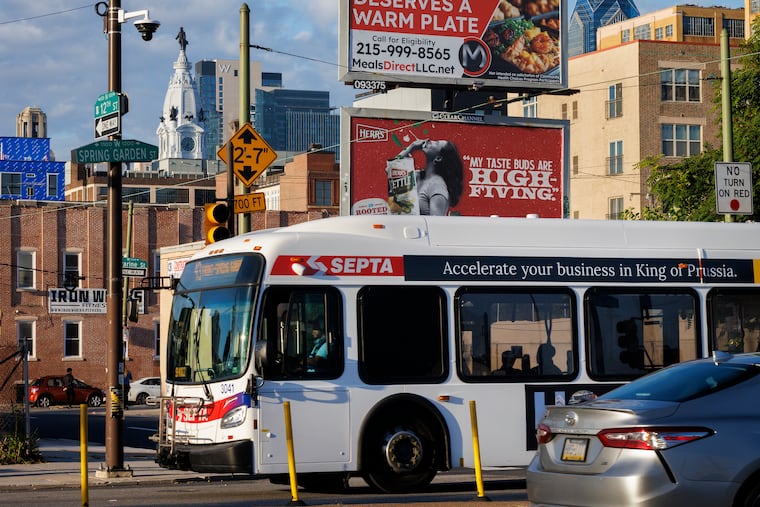
Bus routes for students will be reinstated after the mayor allocated city funds to SEPTA.
Mayor Cherelle L. Parker has announced a significant agreement that will enable the Southeastern Pennsylvania Transportation Authority (SEPTA) to utilize previously allocated city funds for the restoration of bus and trolley routes. This decision comes in response to service cutbacks that coincide with the new school year, which began this week.
The reinstatement of these bus routes, scheduled to commence on Tuesday, is anticipated to incur costs of approximately million per month, according to SEPTA spokesperson Andrew Busch. The primary goal of this initiative is to ensure that Philadelphia’s youth can access educational institutions in a timely and safe manner, particularly given the substantial disruption caused by the earlier reductions. Parker emphasized the importance of facilitating uninterrupted schooling and extracurricular participation for the city’s students, identifying them as the foundation for Philadelphia’s future.
Busch expressed gratitude for Mayor Parker’s supportive efforts, describing the agreement as an innovative solution that aims to enhance service for students during these challenging times. Specific routes slated for service restoration include the 14, 20, 23, 26, 47, 63, 67, 70, 82, T2, and T5, all of which are designed to alleviate crowding and minimize instances of students unable to board their buses. Additionally, mid-September will see the release of updated schedules for the 31, 84, and 88 routes, along with several 400-series bus routes tailored for student use.
Moreover, the necessity for this agreement underscores broader challenges within the local educational framework. Philadelphia School District Superintendent Tony B. Watlington Sr. highlighted the troubling trends observed over the first three days of school, wherein 63% of district schools reported increased late arrivals and 54% noted a rise in student absences. Watlington expressed optimism that the restoration of prioritized routes will facilitate higher attendance rates and thus contribute to improved academic outcomes.
The city’s ability to provide this funding stems from its commitment to advance a portion of a 5 million subsidy meant for SEPTA this fiscal year. This initiative was initially contingent upon state lawmakers in Harrisburg fulfilling a request for an additional 8 million in funding for the transit agency, which has been caught in protracted budget negotiations.
As of now, the city is obligated to allocate 4 million to SEPTA, with an additional million available if the state increases its subsidy as requested. This proactive approach, while not introducing new funding, allows SEPTA to access critical financial resources sooner than anticipated, despite ongoing legislative delays.