Businesses can start claiming refunds on Monday for tariffs deemed unconstitutional by a court ruling.
A refund program for businesses impacted by tariffs imposed during the Trump administration is set to commence on Monday, according to the U.S. Customs and Border Protection (CBP). This initiative follows a recent U.S. Supreme Court ruling that deemed the tariffs unconstitutional, thereby allowing companies the opportunity to reclaim funds that they had paid under the disputed tax regulations.
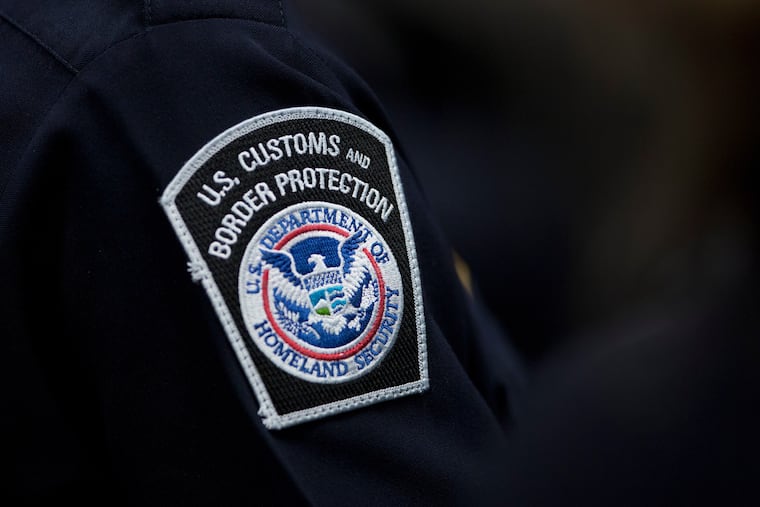
Starting at 8 a.m. on the designated day, importers and their brokers will access an online portal to initiate claims for refunds on tariffs they previously paid. The CBP will manage this new system, marking an essential first step in a potentially intricate process that may eventually extend to consumers who faced price increases due to these tariffs.
Under the guidelines, companies are required to submit declarations identifying the specific goods that incurred tariffs—costing businesses billions of dollars—which the Supreme Court subsequently invalidated. After claims are submitted and approved, processing times for refunds are estimated to range between 60 to 90 days. However, the government plans to handle these refunds in phases, prioritizing more recent tariff payments, which may lead to delays for earlier claim submissions.
In a historic 6-3 decision delivered on February 20, the Supreme Court found that President Trump overstepped his authority by unilaterally setting new import duties on goods from numerous countries, citing a national emergency linked to the U.S. trade deficit. Although the court’s ruling did not directly address the mechanism for refunds, a judge at the U.S. Court of International Trade recently affirmed that companies subjected to these tariffs have the right to recuperate their payments.
The initial phase of the refund program will not encompass all importers, as it is specifically geared towards cases where tariffs were provisionally estimated or finalized within a certain timeframe—typically an 80-day window prior to final accounting. CBP reported that over 330,000 importers collectively paid around 6 billion on more than 53 million shipments.
To qualify for the initial round of refunds, importers must register with CBP’s electronic payment system. As of a recent count, over 56,000 importers had successfully registered, making them eligible for potential refunds totaling approximately 7 billion, inclusive of interest.
With the launch of this refund portal, accuracy in submission is paramount. Experts advise clients to meticulously document all pertinent declarations to avoid complications that could result in rejected claims. The expectation is that as the system goes live, there may be initial setbacks as businesses and the CBP adjust to the new process.
Small business owners, such as those in Rochester, Minnesota, eagerly await the opportunity to apply for refunds. Many have been proactive in preparing to enter necessary information into the system to regain some of the funds lost to tariffs. However, concerns about the duration of the refund process remain. While the tariffs are technically paid by importers, there are growing discussions about whether these refunds will trickle down to consumers, as companies often pass on extra costs through increased pricing. Legal avenues are also being explored by customers seeking restitution for overpaid tariffs, particularly with companies that directly collected these fees, such as delivery giants FedEx and UPS.
As companies begin navigating this new refund landscape, the effectiveness and efficiency of the process will be closely monitored, particularly by small businesses reliant on timely financial relief.