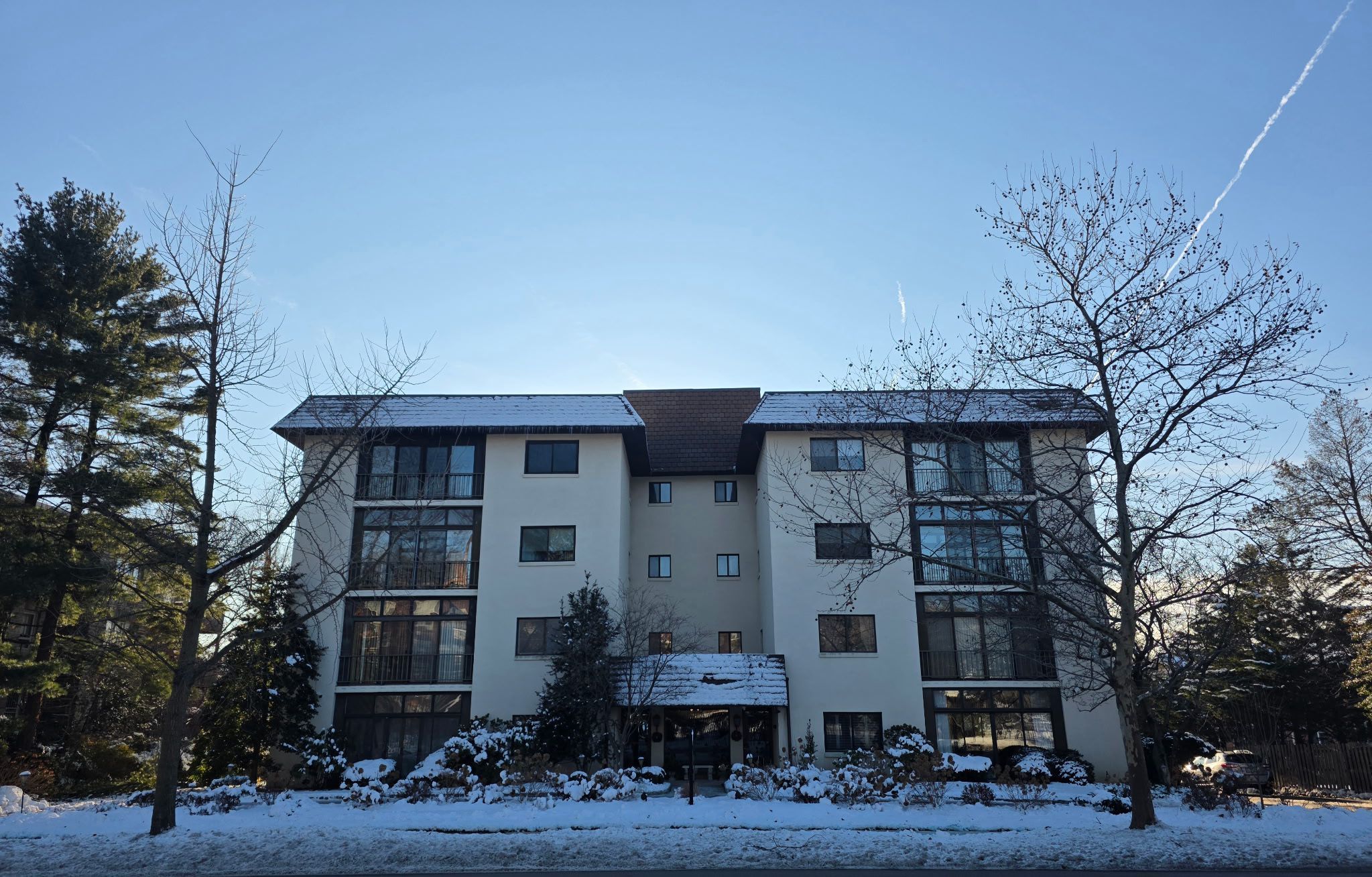
Camden County to construct 60 efficiency apartments for individuals facing homelessness.
In an important move to address escalating homelessness in Camden, New Jersey, the county has announced plans to construct the Martin McKernan Supportive Housing Center. The facility, which will consist of 60 efficiency apartments, is designed to provide much-needed support for individuals experiencing homelessness in the area. The project, named after a former Camden city attorney, is set to be completed in the spring at an investment of million.
Patricia Clark, who has firsthand experience with homelessness, spent 25 years living on the streets of Camden before finding recovery and a new life as a homeowner. At 65 years old, she emphasizes the urgent need for initiatives like the McKernan center, especially in light of the county’s 20% increase in homelessness over the past three years—growing from 633 individuals in 2020 to 759 today, with 148 of those living unsheltered.
About ten of the center’s units will serve as emergency shelter, while the remainder will function as transitional housing available for residents over periods of up to two years. Rob Jakubowski, director of Camden County Homelessness and Community Development, confirms that residents will receive essential case management services, including access to counseling, employment assistance, and support in securing permanent housing.
As Camden County grapples with rising homelessness rates, the situation is further complicated by looming cuts to federal housing assistance. Recently proposed policy changes threaten two-thirds of the aid allocated for permanent housing solutions for people experiencing homelessness. Although federal housing administrators argue that these changes will restore accountability and address the root causes of homelessness—such as substance abuse and mental illness—critics warn that they could potentially displace up to 170,000 individuals nationwide.
Colandra Coleman, executive director of Joseph’s House, shared concerns about the potential impact of cuts on existing housing programs and anticipates further reductions in assistance. The local government is acutely aware of the growing need for support, as observed by Louis Cappelli, director of the Camden County Board of Commissioners. He highlighted that the challenges of homelessness extend beyond Camden, affecting neighboring areas as well, such as Haddonfield and Collingswood.
Experts in homelessness underscore that the primary driver of the crisis remains the ongoing shortage of affordable housing. Current statistics show that the average rent in New Jersey has risen to ,087, marking a 2% increase from the previous year. Kathleen Noonan, president and CEO of Camden Coalition, points out that this affordability crisis is central to the increasing number of individuals facing homelessness.
For survivors like Patricia Clark, the realization of having stable housing and maintaining sobriety is a transformative experience. Her past struggle with addiction and homelessness highlights the broader issues at play. Clark’s journey from despair to hope serves as a motivating force, reflecting the critical importance of supportive housing initiatives like the Martin McKernan Supportive Housing Center, which aim to help individuals reclaim their lives and dignity.
Media News Source