Campbell’s Brands to Eliminate Synthetic Food Dyes by Next Year
The Campbell’s Co. has announced that it will discontinue the use of artificial color additives in its food and beverage products beginning in the latter half of its fiscal year 2026. This strategic decision, attributed to changing consumer preferences and evolving regulatory standards, reflects a growing trend towards natural ingredients in the food industry.
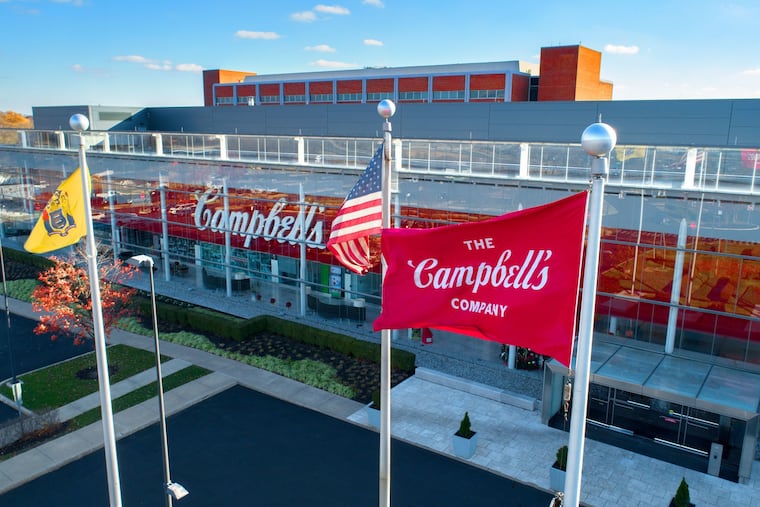
Headquartered in Camden, New Jersey, Campbell’s has long been recognized for its iconic canned soups and a diverse range of other products, including renowned brands such as Pepperidge Farm, Rao’s, Goldfish, and Prego. The company has indicated that the current use of artificial colorants, specifically those classified as “FD&C” colors within the industry, is limited. These synthetic additives are primarily found in a few of Campbell’s snack and beverage lines, including Lance crackers and V8 Splash, along with various brands like Jay’s, O-Ke-Doke, Tom’s, Archway, and Stella D’oro.
Mick Beekhuizen, the president and CEO of Campbell’s, elaborated on the forthcoming changes during a recent earnings call. He emphasized the company’s commitment to aligning its products with consumer demands for simpler and more recognizable ingredients. As part of this transition, Campbell’s plans to replace synthetic colors with natural alternatives, such as annatto and purple carrot juice concentrate.
This move comes on the heels of new initiatives from the U.S. Department of Health and Human Services and the U.S. Food and Drug Administration aimed at encouraging food companies to phase out synthetic color additives. These efforts are part of the broader “Make America Healthy Again” agenda established during the Trump administration, which has sought collaboration with food producers to eliminate harmful substances from the food supply. A number of major companies, including General Mills and Nestlé, have already pledged to remove artificial dyes from their products.
Additionally, individual states have begun to take action on this front. For instance, California banned red dye No. 3 last year and has implemented restrictions on certain dyes in school foods, reflecting a growing public concern about the health implications of synthetic color additives.
Although the financial implications of this transition for Campbell’s are described as “immaterial,” the company’s net sales reached approximately .3 billion in the fiscal year ending August. Earlier this year, Campbell’s welcomed a new CEO and rebranded from Campbell Soup Co. to The Campbell’s Co., signaling a modernized approach to its extensive product portfolio.
In summary, Campbell’s commitment to eliminating artificial color additives marks a significant shift towards transparency and health-consciousness in its product offerings, reflecting both consumer preferences and industry regulations. Media News Source.