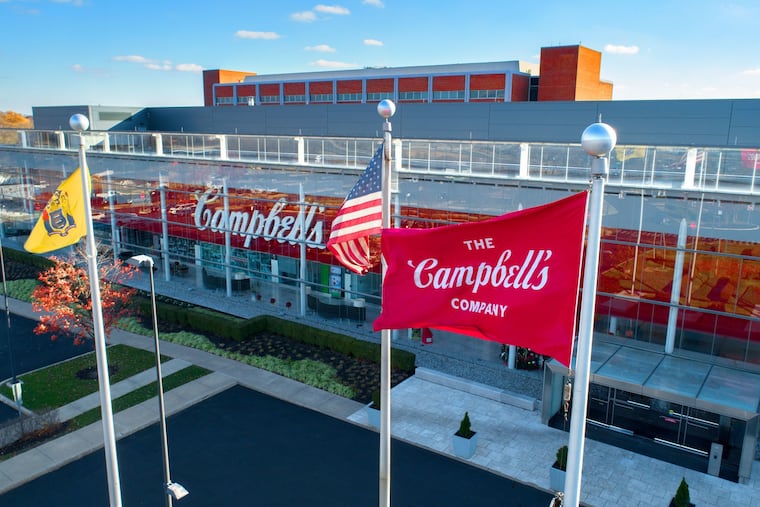
Campbell’s will eliminate synthetic food dyes from its brands starting next year.
The Campbell’s Company announced that it will eliminate the use of artificial color additives in its food and beverage products starting in the second half of its 2026 fiscal year. This decision comes in response to evolving consumer preferences and an increasingly scrutinizing regulatory landscape surrounding food safety and ingredient transparency.
The company, headquartered in Camden, New Jersey, revealed this strategy during an earnings call. Mick Beekhuizen, the president and CEO, noted that the company’s usage of artificial colors, specifically “FD&C” colors, is limited but recognizes the consumer shift toward more natural food options. Accordingly, Campbell’s plans to reformulate its recipes for certain products that currently contain synthetic colorant ingredients.
Traditionally synonymous with its canned soups, Campbell’s portfolio has expanded to include brands such as Pepperidge Farm, Rao’s, Goldfish, and Prego. Among the products set to undergo reformulation are Lance crackers, V8 Splash beverages, and assorted snack brands including Jay’s, O-Ke-Doke, and Tom’s, as well as cookie brands Archway and Stella D’oro.
As part of this transition, Campbell’s intends to source natural color alternatives for its products, utilizing ingredients such as annatto and purple carrot juice concentrate. This move aligns with a broader trend in the food industry as consumers increasingly seek “better-for-you” options characterized by simpler, more recognizable ingredients. The company affirmed its commitment to enhancing product quality in light of changing customer demands.
This announcement coincides with heightened scrutiny from regulatory bodies. The U.S. Department of Health and Human Services and the U.S. Food and Drug Administration recently initiated measures aimed at reducing artificial color additives in the nation’s food supply, reflecting a growing awareness of the potential health implications of synthetic dyes. The effort is part of a broader initiative that emerged during the previous administration, aimed at promoting healthy eating habits.
Several states have already begun implementing their regulations on food dyes. For instance, California enacted laws banning specific dyes, including red dye No. 3, in 2023, with additional restrictions on school food products taking shape for 2024.
Despite this significant transformation, Campbell’s has reassured stakeholders that the financial implications of discontinuing artificial color additives will be minimal. The company reported net sales of .3 billion for the fiscal year that concluded in August. Additionally, it recently appointed a new CEO and transitioned its brand from Campbell Soup Company to The Campbell’s Company, a move aimed at better representing its diverse food offering.
The Campbell’s statement encapsulates the company’s dedication to adapting its product lines, emphasizing that they remain committed to providing high-quality food options that align with consumer expectations for transparency and healthfulness. As consumer demand shifts towards healthier ingredient profiles, Campbell’s is positioning itself to remain a competitive player in the evolving landscape of the food industry.
Media News Source