Celebrating the Signers of the Declaration of Independence for the 250th Anniversary Commemoration.
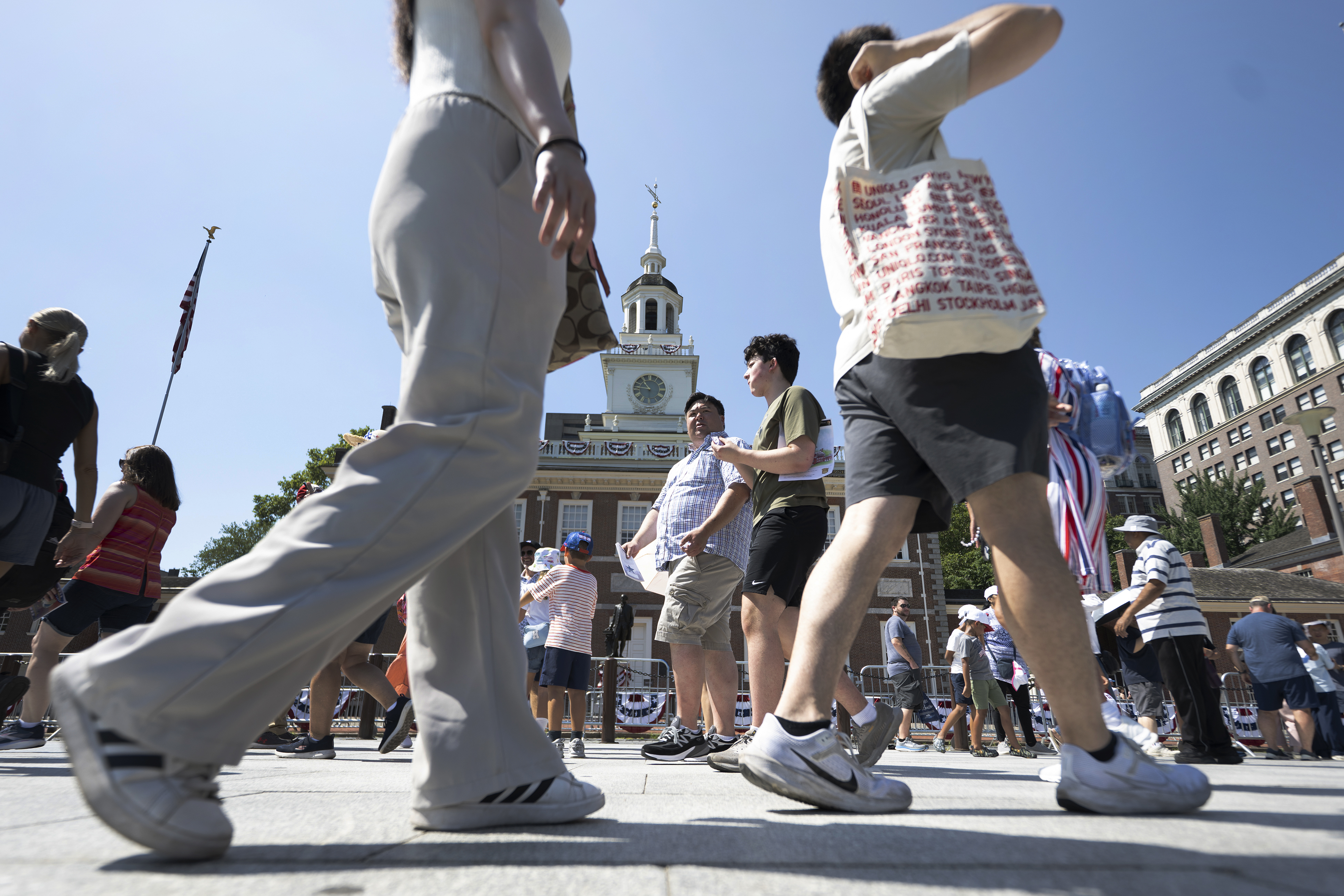
In Philadelphia’s historic district, the sounds of summer often evoke history, particularly on July 4th, when the city’s rich legacy of independence and celebration converge. Recently, a single snare drum resonated through the area, drawing the attention of onlookers, including tourists gathering in front of Independence Hall, a site synonymous with American heritage.
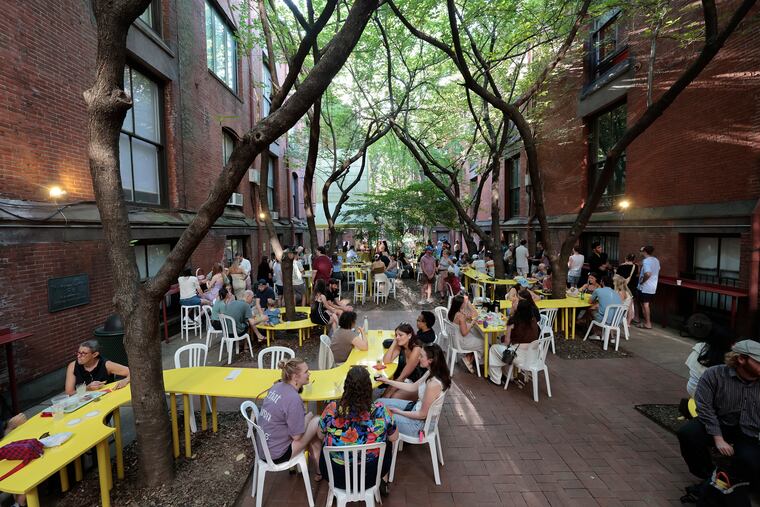
As individuals often halted their activities to investigate the source of the rhythm, many were led toward Signer’s Garden, a typically serene pocket park located across 5th Street. The drum was a part of a presentation by actors dressed in period costumes—representing Continental soldiers—as they aimed to engage and educate visitors, including children, about the nation’s early struggles and triumphs.
The actors, deployed by Historic Philadelphia, LLC, employed humor and interactive techniques to captivate not only the younger audiences but also adults in attendance. Observers noted with amusement how the enthusiasm of the performers drew both laughter and admiration from the crowd.
The statue of “The Signer,” commemorating George Clymer—one of the signers of the Declaration of Independence and the U.S. Constitution—stood nearby. A National Park Service plaque eloquently captured the intent behind this monument, highlighting the bravery required for Clymer and his contemporaries to permanently affix their names to revolutionary documents that would alter the course of history.
As crowds enjoyed a unique blend of entertainment and education, the atmosphere became charged with sentiment, with many attendees connecting personally to the narrative. Notably, one family—recent immigrants from Venezuela, who were just enjoying the day—reflected the shared joy that transcended backgrounds during these celebrations.
Philadelphia’s festivities in homage to its 250th birthday were set against a backdrop of weather-related challenges, including extreme heat warnings. Some events were unfortunately canceled, yet the determined spirit of community engagement persisted amidst the rising temperatures, drawing diverse crowds to historical landmarks.
Amid the engaging performances and activities, visitors had the opportunity to reflect upon not only the nation’s history but also their own stories, contributing to Philadelphia’s continuing narrative as a center of democracy and freedom. The celebration of the Fourth of July serves as a bridge connecting past and present, allowing all who gather to partake in the shared inheritance of liberty and communal resilience.
The dynamic nature of these interactions reinforces the importance of historical memory, as audiences of all ages participate in living history, ensuring that the lessons of the past remain relevant for generations to come.