Center City to halt sidewalk cleaning services on select blocks.
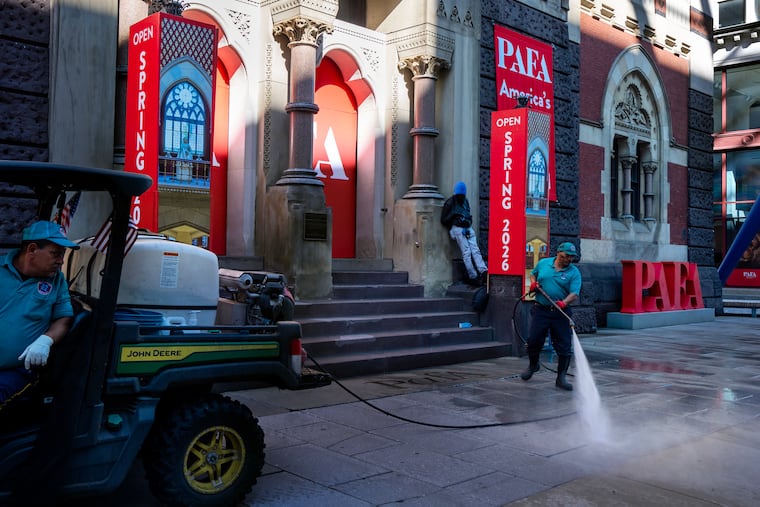
In a notable shift towards addressing urban cleanliness, the Center City Residents Association (CCRA) has announced it will not renew its sidewalk cleaning contract with the Center City District (CCD), a decision set to take effect at the end of the month. This move raises questions about the future of sidewalk cleanliness in Philadelphia, as the City has not established a regular sidewalk cleaning schedule.
In recent years, the CCD has conducted sporadic street sweeping operations, yet it appears these have not sufficiently addressed cleanliness concerns in the area. The CCRA attributed its decision to escalating costs associated with sidewalk cleaning services provided by the CCD. The new pricing structure would have increased the proportion of the association’s overall budget dedicated to sidewalk cleaning from 20% to 41% by 2026, forcing the CCRA to spend nearly ,000 on this initiative alone in the last fiscal year.
The recent pandemic has strained many service contracts, compelling the CCD to withdraw its previously subsidized rates. According to CCRA President Nathaniel Margolies, the rising costs were unsustainable and posed a risk to the association’s financial health. As the COVID-19 pandemic concluded, it became evident that the CCD could no longer support sidewalk cleaning at affordable rates. Margolies acknowledged that the CCD aimed to provide better wages for its sidewalk cleaners—a goal he deems justifiable.
In light of these changes, the CCRA has established a Cleanliness Committee to explore alternative service providers, such as the community-based cleaning service Glitter. This service currently operates in various neighborhood blocks, supported directly by residents at a nominal fee, thereby alleviating the burden from local associations. Margolies has expressed frustration over the expectation that neighborhood groups bear the financial responsibility for maintaining clean streets while the city lacks a comprehensive strategy to facilitate this.
Amid efforts by Philadelphia Mayor Cherelle L. Parker to position the city as the cleanest metropolis in the nation, the administration has introduced initiatives like twice-weekly trash collection to combat illegal dumping. However, responses from residents have been mixed, highlighting a gap between the city’s ambitious goals and on-the-ground realities experienced by community members.
The CCRA’s decision brings forth a multifaceted dialogue on urban cleanliness and municipal responsibility within Philadelphia. As it holds discussions with stakeholders including landlords, businesses, and city officials, the association’s efforts will be crucial in shaping effective strategies for maintaining clean sidewalks amid budgetary constraints and evolving urban dynamics. Residents have voiced concerns, notably regarding the potential accumulation of litter in the absence of sidewalk cleaning services, indicating a pressing need for collaborative solutions between the city and its inhabitants.
This transition underscores broader conversations about community responsibility, municipal support, and the essential role of cleanliness in enhancing the quality of life in urban settings. As the CCRA navigates its next steps, the ongoing dialogue surrounding sidewalk cleanliness will remain a pivotal concern for both residents and city officials alike.
Media News Source.