Chamber of Commerce files lawsuit against Trump to prevent 0,000 fee on H-1B visas.
The U.S. Chamber of Commerce has initiated legal action against the Trump administration in an effort to block substantial new fees introduced in the H-1B visa program. This program is a crucial avenue for legal immigration frequently utilized by technology companies in Silicon Valley. The chamber claims that the newly established fee of 0,000 is in violation of the Immigration and Nationality Act, as outlined in a lawsuit filed in the U.S. District Court for the District of Columbia.
In its lawsuit, the chamber contends that the new fee is “not only misguided policy” but also “plainly unlawful.” The organization is requesting the court to not only block the fee but also to assert that it exceeds the executive branch’s authority. This lawsuit is notably significant, as the U.S. Chamber of Commerce is one of the most influential business organizations in Washington, D.C.
Critics have expressed concern that the imposition of the 0,000 visa fee could create financial barriers for U.S. employers, particularly for startups and small- to medium-sized businesses that rely heavily on the H-1B program. Neil Bradley, executive vice president at the U.S. Chamber, emphasized that the program was originally designed by Congress to enable American businesses of all sizes to access global talent essential for their growth within the U.S. market.
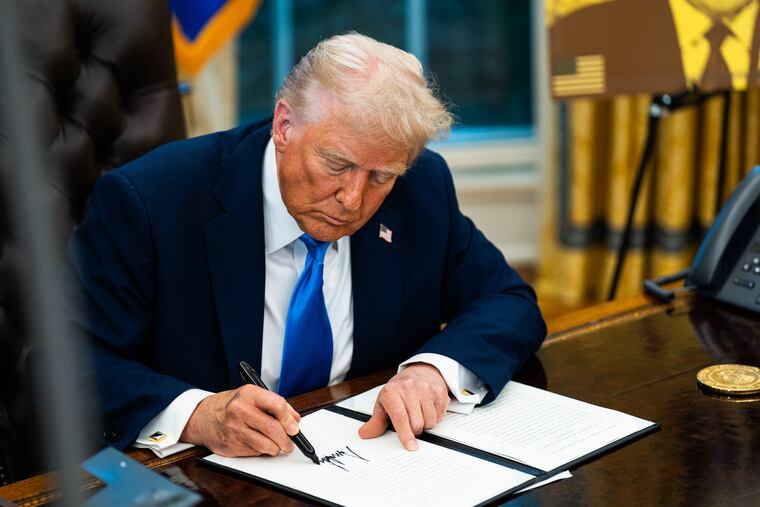
A request for a comment from the White House regarding the lawsuit did not receive a swift response. The administration previously signed an executive order permitting wealthy foreign nationals to purchase a “gold card” for U.S. residency for million, with companies facing a million fee for a “corporate gold card” that would enable them to sponsor employees.
According to administration officials, the rationale behind the 0,000 fee for H-1B visas is to discourage companies from employing the program for entry-level positions and to promote its use for recruiting highly qualified professionals, such as engineers and top executives.
H-1B visas are typically used by employers in sectors such as technology, manufacturing, finance, education, retail, and healthcare to hire foreign workers with specialized skills when American workers are unavailable. Historically, the program has seen a cap of about 85,000 new H-1B visas issued annually, although universities are exempt from this limit. Last year, the government received approximately 425,000 H-1B visa petitions, with selections made via a lottery system. Prior to the recent policy changes, application fees for H-1B visas were generally capped at around ,000, excluding legal costs. The announcements surrounding the new fees have led to widespread uncertainty for H-1B visa holders and businesses nationwide, although the administration has clarified that existing visa holders will not be affected.
As the judicial proceedings unfold, the implications of these new fees on the U.S. labor market and the tech industry’s reliance on foreign talent remain a focal point of concern among business leaders and policymakers alike.
This ongoing legal dispute continues to highlight the tensions between different segments of the U.S. economy and the evolving landscape of immigration policy under the Trump administration, prompting further dialogues on the future of the H-1B visa program.
Media News Source.