
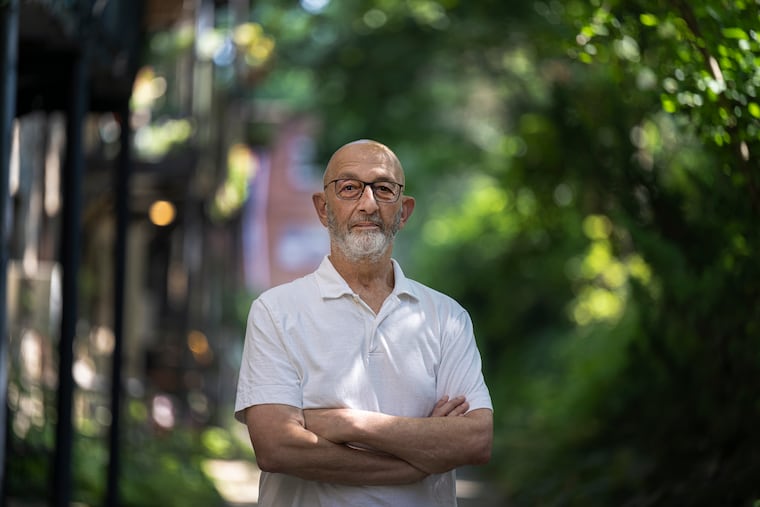
Chestnut Hill man plans to be composted after death, detailing his approach for sustainable end-of-life practices.
In a growing trend towards eco-conscious end-of-life options, Paul Meshejian, a retired actor residing in Chestnut Hill, Pennsylvania, has opted for a method gaining popularity: human composting. As traditional burial practices face scrutiny regarding their environmental impact, Meshejian has chosen to prepare for his passing by arranging with a West Coast company called Earth Funeral to compost his body. This alternative is estimated to cost around ,000 and is seen as a sustainable solution to the conventional practices of embalming and burial, which require significant land use and resources.
Human composting, also known as natural organic reduction, involves washing the body and placing it in a biodegradable shroud with organic materials before transforming it into nutrient-rich soil over a period of approximately 45 days. Upon completion of this process, families receive containers of the created soil, which can be used in gardens or donated to conservation efforts. Meshejian, for instance, envisions the possibility of using his soil to honor the memory of his late wife.
Currently, human composting is not legal in Pennsylvania, though several neighboring states have taken steps to legalize the practice. New Jersey, for instance, has recently passed legislation with overwhelming bipartisan support that awaits the signature of Governor Phil Murphy. If enacted, it will become the 14th state to allow this environmentally friendly practice, which has already been adopted in states such as Washington, New York, and Delaware.
As legislative efforts to legalize human composting in Pennsylvania progress, State Representative Chris Rabb is actively working on a revised bill aimed at bringing this alternative method to the state. The concept originated with Katrina Spade, who founded Recompose in 2017 and is recognized for pioneering the human composting industry.
While environmentalists praise the move towards human composting for reducing pollution and conserving land, the current lacking infrastructure on the East Coast has led to families like Meshejian’s resorting to shipping bodies across the country to participate in this practice. The cost of shipping further adds to the expenses associated with this eco-conscious choice.
As the public becomes increasingly aware of the environmental implications of traditional burial and cremation practices, the demand for options like human composting continues to rise. Advocates argue for expanding the legal acceptance of such practices, emphasizing the need for diverse end-of-life options that align with the values of individuals concerned about their ecological footprint. The momentum for rethinking death care practices is evident, and as states explore legislative avenues, the future of human composting may soon look different across the nation.
In the broader context of funeral care, the average cost of a traditional burial can exceed ,000, while cremation services vary, with direct cremation costing around ,500. The emergence of new regulations surrounding alternative practices such as human composting may reshape the landscape of end-of-life decisions, catering to a society increasingly inclined towards sustainability and personal choice in funerary options.
Media News Source.


