Chicago officials respond to Trump’s crime crackdown threat, urging him to avoid targeting the city.
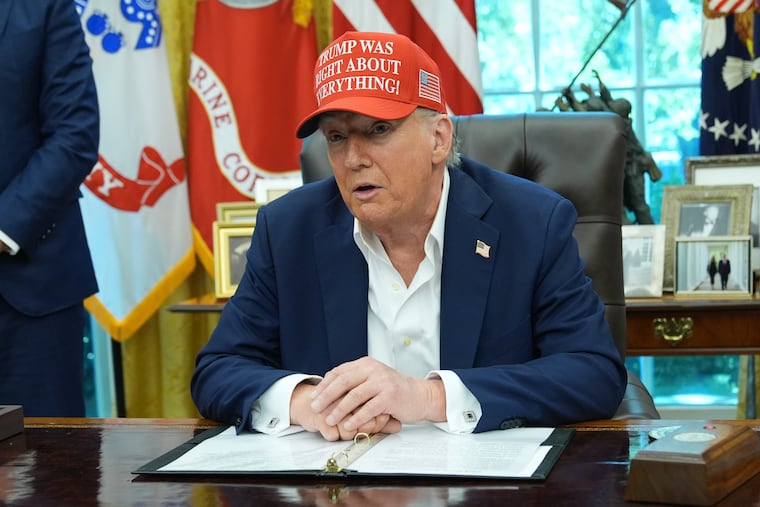
In a recent statement at the White House, former President Donald Trump highlighted Chicago as a potential focal point for his administration’s ongoing efforts to address crime, homelessness, and illegal immigration. This announcement comes amid his previous deployment of 2,000 troops to the streets of Washington, D.C. During the briefing, Trump alluded to providing Chicago with similar federal resources, indicating that this Midwestern city could be next in line for federal intervention in efforts to combat crime.
Describing Chicago as a “mess,” Trump claimed that the city’s residents are vocally requesting assistance, even though crime rates have recently exhibited significant declines. His remarks were met with immediate backlash from local officials. Chicago Mayor Brandon Johnson stated that his office had not received any formal communication from the Trump administration regarding military or federal law enforcement interventions in the city. He voiced serious concerns about the “unlawful deployment” of National Guard troops, which he characterized as “uncoordinated, uncalled for, and unsound.” Johnson argued that such actions could exacerbate tensions between residents and law enforcement agencies.
It is noteworthy that Trump’s plans to extend his strategy to Chicago raise questions, as the city’s strict home rule laws afford the federal government less authority compared to D.C. Furthermore, local political figures, including U.S. Senator Dick Durbin, have dismissed Trump’s maneuvering as “political theater,” underscoring that Chicago is a diverse and vibrant locale that would benefit more from proven bipartisan solutions rather than federal military intervention.
In contrast, discussions regarding urban security have led to suggestions from Trump’s eldest son, Donald Trump Jr., who entertained the idea of exploring interventions in Pacific Northwest cities such as Portland and Seattle, citing rising crime rates attributed to Democratic leadership.
While Trump contends that his administration’s strategies could improve urban safety, Chicago’s local government has been focusing on community-based initiatives, mental health services, and affordable housing as effective crime reduction strategies. Mayor Johnson emphasized that federal support could be more impactful if it reinstated funding for violence-prevention programs previously cut by Trump’s administration, rather than military deployment.
Local advocates for gun violence prevention have echoed this sentiment, expressing a need for community-driven solutions rather than militarized responses. They argue that a thorough understanding of local challenges is crucial for crafting effective policies to enhance safety in urban areas like Chicago.
As the dialogue continues around crime in cities led by Democratic officials, analysis of the outcomes from current and proposed strategies will be essential in determining the most effective path forward. The evolving landscape of urban crime prevention remains a crucial issue on the national agenda.
Media News Source