Chinese Company Overtakes Leading Electric Vehicle Pioneer in Market Competition
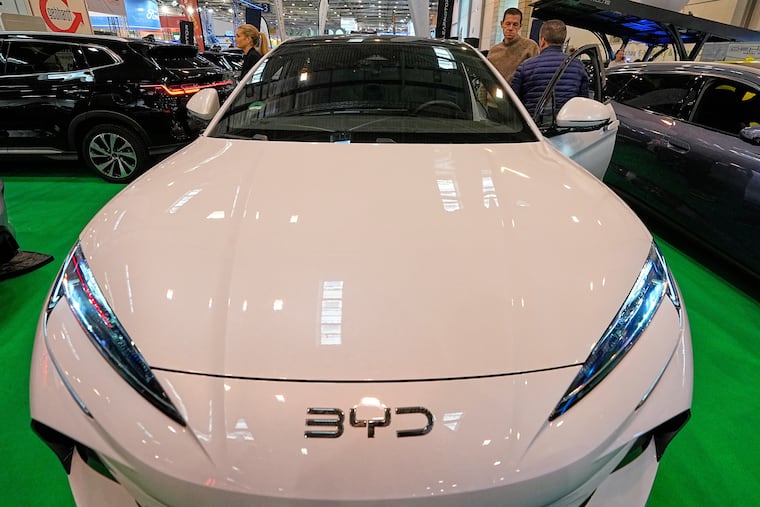
Tesla, the iconic automaker recognized for revolutionizing the electric vehicle (EV) market, has recently lost its position as the world’s leading seller of electric cars to Chinese manufacturer BYD. Established in 2003, BYD has reported substantial sales figures, effectively outpacing Tesla with hundreds of thousands of additional units sold during the past year, extending its influence beyond the Chinese market.
In various countries—including Germany, Mexico, Thailand, and Australia—BYD’s emergence has led to an unparalleled decline in Tesla’s market share. The recent end of federal incentives for electric vehicles in the United States has adversely impacted Tesla’s sales. Additionally, negative public sentiment toward CEO Elon Musk’s political positions has contributed to a decline in the brand’s reputation both domestically and internationally. In stark contrast to Tesla’s offerings, BYD has gained a competitive edge with its introduction of new models, advanced battery technology, and significantly lower price points.
Industry analysts highlight that Tesla’s missteps have culminated in not just a loss of its sales crown but also a diminished leadership position within the EV landscape. The automotive industry landscape is rapidly changing, with biases against tariffs and declining EV initiatives affecting American automakers. Opportunities that were once reserved for companies like Tesla are now being embraced by Asian manufacturers like BYD.
Particularly noteworthy is BYD’s dramatic expansion in European markets, where sales across the top 10 countries quadrupled last year. Meanwhile, Tesla experienced a reported 30% decline in sales during the same timeframe. As the competitive landscape shifts, Musk has announced a pivot for Tesla to reduce reliance on traditional EV production, focusing instead on artificial intelligence, robotics, and a vision for robotaxis.
While Tesla is consolidating resources in California to shift production toward humanoid robots, BYD’s diverse product lineup—which includes sedans, SUVs, minivans, and trucks—positions it favorably against Tesla’s more limited offerings. The affordability of BYD vehicles, such as the all-electric Dolphin, which starts at less than ,000 in China, resonates with consumers seeking cost-effective alternatives.
Despite substantial growth, BYD’s vehicles are not available in the U.S. market due to tariffs and regulatory restrictions. Nevertheless, the brand’s rapid success abroad serves as a significant indicator of the evolving competitive dynamics in the EV industry. Analysts note that BYD’s market strategy, bolstered by government support and efficient supply chains, allows it to offer high-quality vehicles at lower costs, thereby reshaping the landscape of global automotive competition.
Looking ahead, the implications of BYD’s ascendance pose strategic challenges for Tesla, historically the face of the electric vehicle movement. As Tesla adjusts its business model, it must contend not just with the loss of market share to BYD but also with the broader shift in consumer preferences and market expectations.