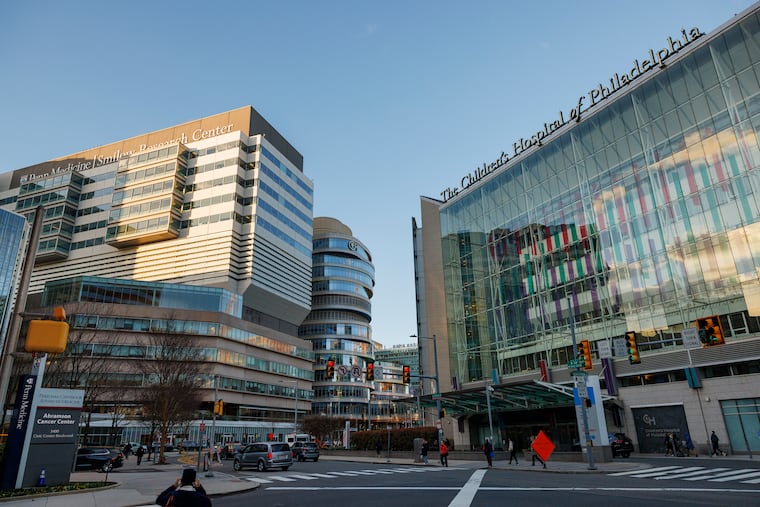
CHOP Leads Southeastern Pa. Nonprofit Health Systems with Highest Profits in Q1 of Fiscal 2026; Four Systems Report Financial Losses.
The Children’s Hospital of Philadelphia (CHOP) has emerged as the leading nonprofit health system in Southeastern Pennsylvania in terms of profitability for the three-month period ending on September 30. According to a recent analysis of financial documents, CHOP recorded an operating income of million for the first quarter of fiscal year 2026. This figure marks an increase from the million reported during the same timeframe the previous year. The hospital’s revenue rose by nearly 9%, totaling approximately .3 billion.
In contrast, Redeemer Health, the region’s smallest health system, experienced significant financial challenges, posting an operating loss of .7 million against quarterly revenue of 3.4 million. This result, while still reflecting a loss, is an improvement compared to the .9 million loss recorded over the same quarter last year.
Jefferson Health, having expanded through its acquisition of Lehigh Valley Health Network, reported the highest patient revenue in the region, amassing .9 billion. This surpasses the .8 billion generated by the University of Pennsylvania Health System, which operates seven hospitals. Jefferson Health’s recent financial struggles were evident, as it reported an operating loss of 4 million largely attributed to challenges within its insurance division. This loss included .4 million in restructuring charges related to staff reductions and other efficiency initiatives.
The University of Pennsylvania Health System experienced a more favorable financial outcome, achieving an operating gain of 9.3 million, a notable rise from .3 million reported in the previous year. This increase in revenue, totaling .3 billion, has been bolstered by the recent acquisition of Doylestown Health, which was completed on April 1.
Temple University Health System, meanwhile, reported a loss of million but improved from the million loss incurred in the same quarter of the prior year. The system’s total revenue reached 0 million, reflecting a 13% increase from last year’s 2.5 million. Contributions to this growth were made primarily through enhanced outpatient revenue, particularly within its specialty and retail pharmacy sectors.
This financial snapshot of Southeastern Pennsylvania’s health systems highlights the varied economic situations facing these institutions as they navigate the challenges of providing healthcare in a complex environment.