
City Council Proposes Bill to Prohibit Housing Development in Former Hahnemann University Hospital Area
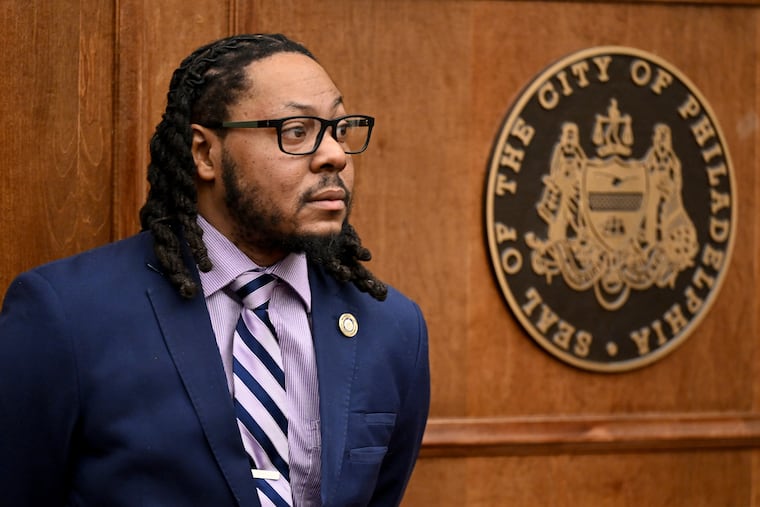
In a significant move within Philadelphia’s urban development landscape, Councilmember Jeffery “Jay” Young has introduced legislation aimed at prohibiting residential construction in the vicinity of the now-closed Hahnemann University Hospital. This proposal was put forth during the final City Council meeting of 2025 and seeks to create a new zoning overlay in a designated area, bounded by Race Street to the north, North 16th Street to the east, Callowhill Street to the south, and North Broad Street to the west.
The newly proposed zoning overlay directly impacts plans by developer Dwight City Group, which aims to transform two former hospital patient towers into 288 apartment units, in addition to several other associated properties owned by entities such as Drexel University and Iron Stone Real Estate Partners. As it stands, Dwight City Group has yet to acquire the necessary building or zoning permits, and should this legislation pass, the realization of their project would hinge on obtaining an exception from the Zoning Board of Adjustment.
Young advocates for the legislation, characterizing it as a measure to safeguard job opportunities in the area in the long term. He asserts that retaining space for commercial activity is essential for ensuring sustained employment within the city. The proposal reflects concerns that residential development could detract from job-generating commercial endeavors in a region with historical significance as a healthcare facility.
While Dwight City Group has opted not to comment on the proposed legislation, it is noteworthy that the firm specializes in converting historic and underutilized structures into moderately priced residential units. Earlier this year, CEO Judah Angster indicated that the anticipated apartments would range from one to two bedrooms, aimed at middle-market consumers, and emphasized the firm’s commitment to affordable housing solutions.
As the City Council reconvenes on January 22, the earliest Young’s bill could see enactment would be in February. The principle of “councilmanic prerogative,” which traditionally secures support for district members’ legislative efforts, may facilitate its passage.
However, reactions from the development community and housing advocates are mixed. Concerns flourish regarding the implications of zoning overlays that create specific land use regulations, particularly those that some view as benefiting particular projects while constraining housing supply. Criticism from various stakeholders, including developers and government reform groups, highlights a shared apprehension regarding the move toward restricting housing availability in a city grappling with its housing crisis.
In light of a potential tax abatement bill next year designed to incentivize the conversion of underutilized commercial properties into housing, Young stresses the importance of aligning development incentives with job creation. The bill aims to preserve opportunities for the local workforce, ensuring that Philadelphians can benefit from any advantages afforded to property owners in the area.
Media News Source


