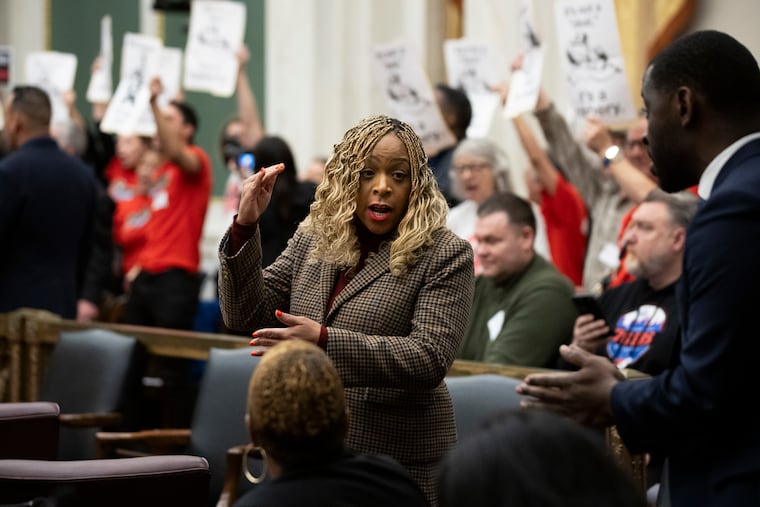
City Council proposes public oversight for land disposals at West Philadelphia university.
Philadelphia City Councilmember Jamie Gauthier has introduced legislation aimed at increasing oversight of higher education institutions in University City amidst growing concerns over the potential closure or merger of colleges and universities. This proposed zoning overlay bill, unveiled on Thursday, seeks to address the implications of such changes in a progressively unstable educational landscape.
The legislation would specifically target the University City region of West Philadelphia, a response to the recent transaction involving St. Joseph’s University’s sale of approximately 50 acres of land from the former University of the Sciences campus to the Belmont Neighborhood Educational Alliance. This non-profit organization is recognized for operating charter schools in the area. The bill mandates public community oversight for any sale of properties exceeding 5,000 square feet by universities to non-educational entities.
Councilmember Gauthier, referencing the ongoing national trend of higher education downsizing and closures, expressed concerns over the local impact of these actions. The merger of the University of the Sciences with St. Joseph’s University, which culminated in the latter’s sale of significant campus assets, serves as a pivotal example driving this legislative initiative. Gauthier emphasized the need for fair practices, stating that universities should not be allowed to sell their properties without considering community welfare and input.
The legislation stipulates that development proposals over 25,000 square feet must engage with local stakeholders from at least five community groups, ensuring representation in the planning and decision-making process. Furthermore, the bill emphasizes the preservation of existing campus structures and public access to open spaces, aiming to prevent vacant lots from emerging following property sales and development.
The implications of this bill extend beyond immediate zoning changes, as it requires Planning Commission approval before demolition or construction can occur on affected properties. Gauthier’s proposal aims to create a framework for university property transactions that is inclusive and attuned to the community’s needs, taking into account previous neighborhood meetings that voiced strong desires for amenities such as affordable housing and grocery stores.
Despite the intent behind this legislation, legal experts have raised concerns regarding its constitutionality. Critics argue that the bill may violate fundamental property rights, specifically the right to sell property. They note that while zoning regulations govern land use, they do not typically dictate the operational dynamics of institutions owning the land. Furthermore, the requirement for community representation on the zoning board could necessitate amendments to the city charter, presenting additional bureaucratic hurdles.
In anticipation of potential legal challenges, Gauthier’s office has included a severability clause within the legislation, designed to uphold the law’s integrity even if parts of it are invalidated in court. The councilmember asserts that the legislation is both constitutional and necessary, advocating for a more collaborative approach in planning for the future of educational properties within the University City area. As discussion around this proposal continues, it remains to be seen how it will impact the relationship between educational institutions and local communities in Philadelphia.
Media News Source