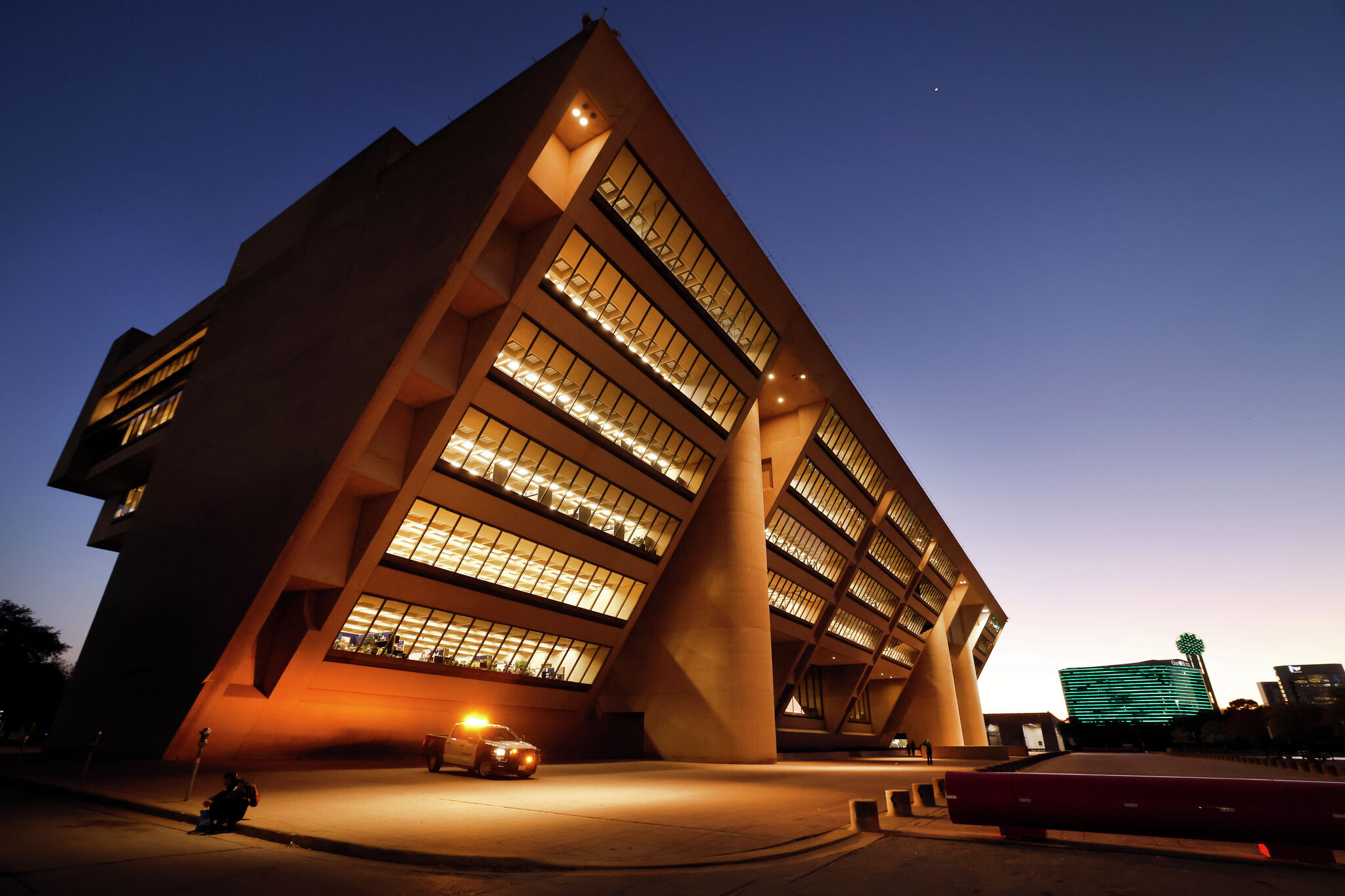
City Hall’s future plans will affect the long-term vibrancy of downtown.
As Dallas city leaders and residents engage in discussions about the future of City Hall, it is crucial to acknowledge that the assessment process essential for determining the best long-term outcomes is still in progress. Recently, the Dallas City Council took a significant step by voting for a comprehensive facilities assessment aimed at addressing necessary repairs for Dallas City Hall. This evaluation, undertaken by the respected firms CBRE and AECOM in partnership with leading architecture firm Corgan, represents a thorough, data-driven analysis that Dallas requires.
While the estimated cost associated with these repairs has sparked widespread conversation and some disagreement, it is vital to view this figure not as a final verdict but as a pivotal step in a well-informed decision-making process. Recent criticisms directed at these professionals, who are executing their responsibilities, often overlook their industry expertise and are consequently unfounded. The Real Estate Council (TREC) emphasizes its commitment not to advocate for any specific outcome but to ensure that the evaluation process is transparent, informed, and rooted in credible information.
CBRE, AECOM, and Corgan possess extensive national and local experience in similar assessments, providing sound judgment that benefits city leaders and the public alike through their objective insights. This clarity is indispensable for making informed decisions that will impact the city, factoring in taxpayer costs alongside the community’s desire to maintain its historical and cultural heritage.
Dallas currently stands as a national leader in commercial real estate, driving growth, investment, and innovation across the United States. The decisions made regarding City Hall will extend beyond the immediate project, influencing city competitiveness and investment attraction in the long run. The discourse surrounding City Hall is more extensive than a single building; it encompasses the broader future of downtown Dallas and the imperative to foster stronger connections within the urban core. City Hall’s role is integral to this vision, as its positioning and functionality can drive connectivity, economic activity, and long-term vibrancy in downtown.
Significant investment is currently shaping downtown Dallas, with over billion in active development transforming the area. To leverage this investment, a broader vision is necessary—one that emphasizes enhancing connectivity between downtown and its surrounding neighborhoods, including the West End, The Cedars, Deep Ellum, and Uptown. Initiatives like the expansion of the Kay Bailey Hutchison Convention Center exemplify how this vision can bolster Dallas’s economic prospects.
Regardless of whether City Hall undergoes modernization or redevelopment, the area must act as a catalyst for connectivity, reinforcing Dallas’s status as a leader in investment and development. The forthcoming decisions regarding Dallas City Hall will have lasting implications for the city. Therefore, it is imperative to trust the ongoing process, which is founded on expert analysis, public input, and progressive leadership.
TREC remains dedicated to collaborating with city leaders, partners, and the community to ensure that downtown Dallas’s next chapter propels the city forward and enhances its vibrancy and connectivity.