City Officials Urged to Monitor AI Development Due to Increasing Surveillance Concerns
Artificial intelligence (AI) has rapidly permeated various aspects of modern life, from the deployment of doorbell cameras in residential areas to automated responses in email services. In professional settings, AI-driven algorithms are increasingly used to manage healthcare claims and screen job applications. These developments underscore AI’s profound integration into everyday activities and governmental functions, raising pertinent questions about efficacy, cost, and accountability.
The expansion of AI technology is not spontaneous; it is driven by significant financial investments from major tech companies. Executives allocate substantial resources to lobbyists and marketing campaigns aimed at promoting AI products to businesses and government entities, which in turn spend millions to incorporate these technologies into their operations. Despite this profound integration, there remains a striking lack of transparent information regarding the costs associated with AI deployment, how these systems are utilized, and who benefits from them. Public skepticism is growing as municipal leaders champion AI as a solution to longstanding issues, while residents express concerns about potential misuse against them.
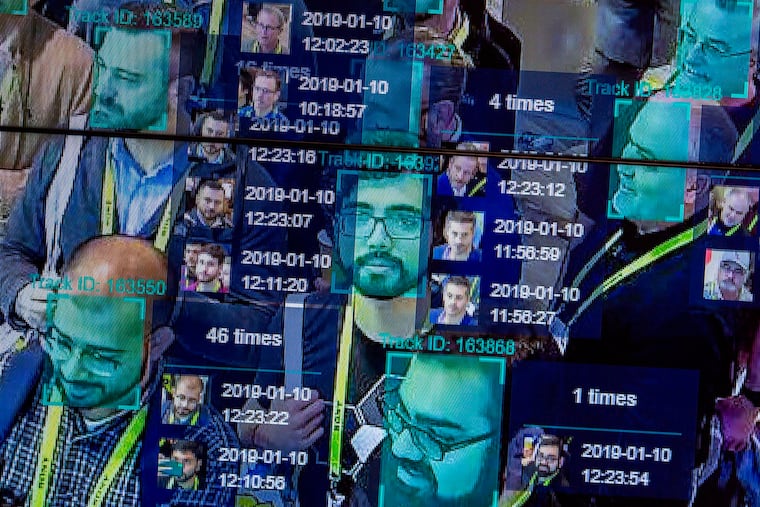
In Philadelphia, the urgency to employ AI in governance must be met with vigilance to ensure these technologies serve the public good rather than the interests of corporations. While AI tools are marketed as conveniences, the reality is that they primarily operate on populations rather than empowering individuals. Surveillance applications of AI have raised significant ethical concerns, especially when they disproportionately impact marginalized communities. For instance, the use of facial recognition technology for deportation by Immigrations and Customs Enforcement has targeted vulnerable groups, perpetuating inequalities. Similarly, AI-driven predictive policing and monitoring systems have exacerbated racial biases, leading to harmful repercussions for Black and brown families.
More alarming is the absence of oversight mechanisms in Philadelphia’s AI implementation, which remains largely opaque. There is a lack of public discourse surrounding the technologies employed by city governments, raising questions about their safety, efficacy, and accountability. As AI companies funnel resources into lobbying efforts to sway city officials, the risk of undiscerning adoption of potentially harmful technologies increases.
However, there are movements within local governance aimed at promoting transparency. Councilmember Rue Landau is steering an initiative to hold public hearings focused on the integration of AI in Philadelphia, putting the implications, costs, and uses of these technologies on the public record. This proactive approach serves as a model for other regions and underscores the necessity for rigorous standards to prevent predatory practices driven by AI technologies.
Philadelphia has already seen early successes with regulations restricting algorithmic rent-setting and initiatives that prioritize access to digital resources for underserved communities. Such moves illustrate that equitable technology policies can be both feasible and beneficial for the public. The rising prevalence of AI offers a critical opportunity for Philadelphia to foster an inclusive technology policy framework. Mindful governance that prioritizes the public good stands to benefit not only local communities but could also set an important precedent nationwide.
As the landscape of AI continues to evolve, ensuring that these technologies promote social equity is crucial. Philadelphia must seize the moment to lead by example in creating a transparent and accountable approach to AI governance. This is not merely a technological challenge; it is a pivotal opportunity to shape a future where innovation serves the people rather than erodes their rights.
Media News Source.