City plans to eliminate diversity, equity, and inclusion goals for contracts face criticism from Black community members who question their effectiveness.
In a recent development, the Parker administration has announced its decision to eliminate the minority participation goals that have long guided city contracting in Philadelphia. This move has sparked considerable concern among advocates for racial equity in business, especially given the historical and systemic issues affecting Black-owned enterprises in the city.
The Office of Economic Opportunity (OEO) reported that minority, women, and disabled business enterprises secured more than 0 million in city contracts during the 2023 fiscal year. While city goals aimed for the allocation of 35% of contracts to these groups, actual participation was recorded at just 31.4%. This noteworthy discrepancy highlights ongoing challenges in ensuring significant economic opportunities for underrepresented communities.
A particularly troubling statistic emerges when examining the share of contracts awarded to Black-owned businesses, which stands at only 13.5%. Given that Black individuals comprise over 38% of Philadelphia’s population, this disproportionate contracting figure raises critical questions about the efficacy of existing policies and the representation of Black-owned enterprises in city business.
The systemic barriers contributing to this inequity are multifaceted. Experts point to biases inherent in a contracting ecosystem that prioritizes well-established firms, most of which are led by white individuals. As of 2022, a mere 9.2% of businesses with employees in Philadelphia were Black-owned, indicating a significant gap that reflects historical exclusion and lack of access to vital resources.
Moreover, despite the existence of participation goals, accountability mechanisms appear weak. Reports suggest that companies failing to meet these goals often face no repercussions, undermining the intent behind these policies. A striking example occurred in fiscal year 2015, when nearly 70% of city-funded construction projects with substantial budgets did not meet the goals for minority participation.
The decision to abolish these goals is particularly vexing in the context of an evolving national climate that many see as increasingly hostile to racial equity. As concerns mount about the potential rollback of civil rights advancements under current political leadership, advocates are calling for a renewed commitment to tangible outcomes that truly represent and uplift marginalized communities.
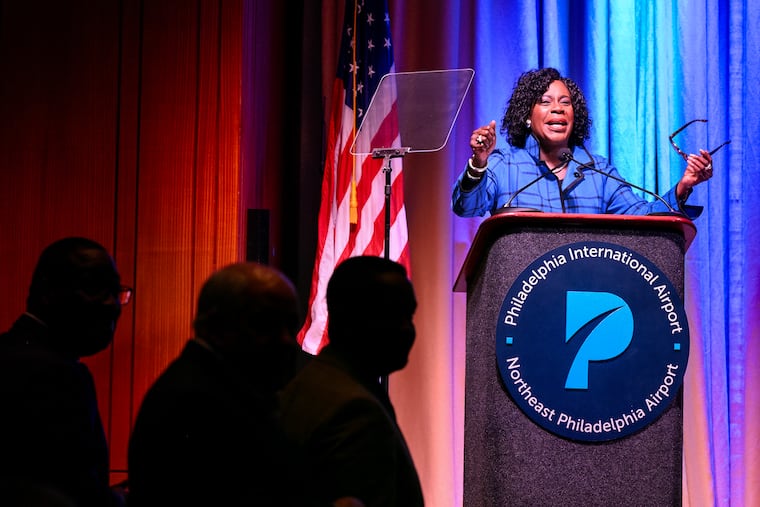
Mayor Cherelle L. Parker has acknowledged the need for accountability and outlined her commitment to creating opportunities for small and local businesses, although the community remains watchful for results. The shift away from explicit minority participation goals raises significant questions about the future direction of equitable contracting in Philadelphia, as the call for a more inclusive economic landscape persists.
As discussions around equity in city contracting continue, it remains essential for leaders to actively engage with community voices, striving for policies that reflect a commitment to genuine, actionable change in supporting Black-owned businesses and fostering an environment of economic inclusivity.