Coast Guard Implements New Policy Designating Swastikas and Nooses as Potentially Divisive Symbols
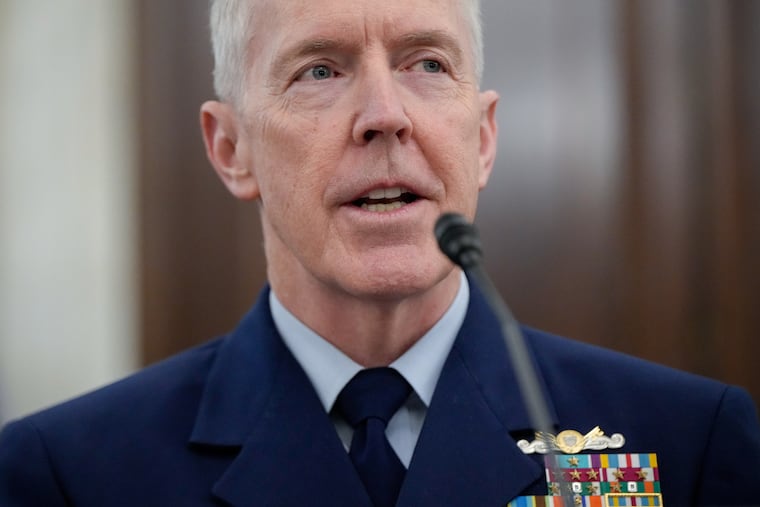
The U.S. Coast Guard has recently implemented a new workplace harassment policy that has generated significant controversy due to its redefinition of certain symbols associated with hate. Under this policy, swastikas and nooses have been classified as “potentially divisive” rather than overt symbols of hate. The new language has raised alarms within various communities and prompted the Coast Guard’s acting commandant, Admiral Kevin Lunday, to clarify that these symbols are still prohibited within the service.
The policy was officially enacted on a recent Monday, with correspondence sent to Congress detailing the changes. This updated manual explicitly cancels the previous version. Despite the uproar surrounding the policy, spokespeople for both the Coast Guard and the Department of Homeland Security have not provided immediate comments regarding the decision. The issue concerning the symbols is anticipated to be a focal point during an upcoming hearing before the House committee.
Media reports first disclosed the Coast Guard’s intentions to amend its harassment policy, which drew backlash from various quarters. Following the initial reports, Admiral Lunday quickly issued a memo reiterating the prohibition of swastikas and nooses, asserting that his directive would take precedence over any conflicting language in the policy. However, the lack of clarity surrounding why the release of the new manual was not postponed to eliminate the controversial language has raised further questions.
Admiral Lunday was appointed as the acting commandant of the Coast Guard after his predecessor, Admiral Linda Fagan, was dismissed. The decision to remove her was partially attributed to her emphasis on diversity and inclusion initiatives, which some perceived as non-essential. Lunday’s confirmation vote is expected to take place in the coming days.
The implications of the Coast Guard’s policy take on added significance amidst a concerning rise in global antisemitism, highlighted by a recent tragedy in Australia where at least 15 individuals lost their lives during a Hanukkah celebration. Deborah Lipstadt, a historian dedicated to combating antisemitism, expressed her dismay at the policy change, characterizing it as alarming given the current climate of far-right extremism and historical revisionism.
Lipstadt underscored the historical weight of the swastika, linking it to the atrocities of the Nazi regime and the sacrifice of American soldiers in World War II. She criticized the portrayal of the swastika as merely “potentially divisive,” arguing that it fundamentally represents hate. As discussions continue about the implications of this policy shift within the Coast Guard, the broader societal context of rising hate incidents underscores the urgency of addressing such symbol redefinitions critically.
As the Coast Guard navigates these complexities, the discourse surrounding workplace harassment policies and the representation of hate symbols will likely remain a point of contention, echoing broader societal challenges.
Media News Source