
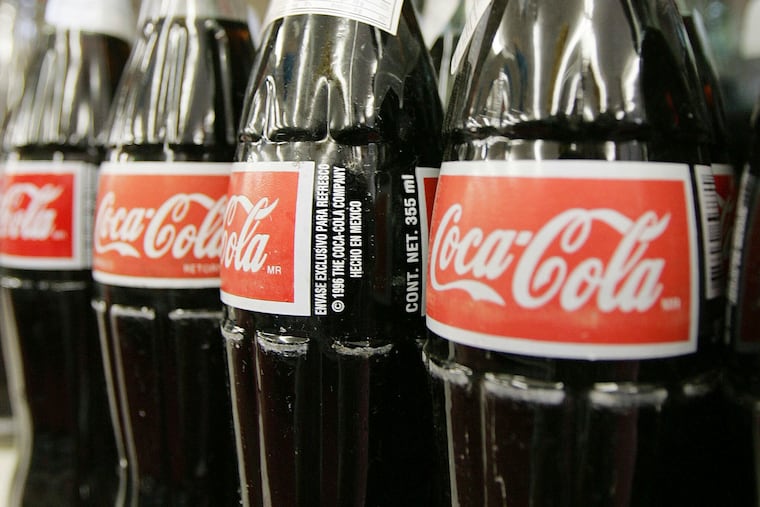
Coca-Cola plans to switch to cane sugar, yet consumer demand is rising for sugar-free soda options.
The ongoing discourse surrounding Coca-Cola’s choice of sweeteners has intensified recently, as consumer preferences increasingly tilt toward sugar-free options. While the debate often centers on the use of high-fructose corn syrup versus cane sugar in its iconic beverages, an essential trend remains clear: demand for zero-sugar products is on the rise.
Coca-Cola Zero Sugar, launched in 2017, combines aspartame, an artificial sweetener, with stevia, a natural alternative. This offering has quickly emerged as one of the company’s fastest-growing products, achieving a notable 14% increase in global case volumes during the first quarter of the year, compared to a modest 2% rise in total sales across the company. This growth echoes broader trends in the beverage industry, with PepsiCo reporting that 60% of its sales in major markets came from low- or no-sugar beverages during the second quarter.
Industry analysts highlight that the surge in demand for zero-sugar colas is substantial. The recent comments made by high-profile figures, including President Trump, have added fuel to the conversation around Coca-Cola’s use of cane sugar. Trump stated on social media that the Coca-Cola Company had agreed to transition to cane sugar for its regular beverage varieties manufactured in the United States. Despite these statements, Coca-Cola has not officially confirmed such a shift and expressed their intention to unveil new product details in due course.
Experts in the beverage sector remain skeptical about a complete transition from high-fructose corn syrup, which has been a standard sweetener for Coca-Cola since the 1980s. Maintaining supply chain efficiency and addressing the limitations of domestic sugar production pose significant challenges.
In defense of high-fructose corn syrup, the Corn Refiners Association has emphasized that replacing it with cane sugar would not only be illogical but could also jeopardize thousands of American jobs within the manufacturing sector. Coca-Cola has reiterated that high-fructose corn syrup is comparably safe and caloric to traditional sugar. Recent statements from the Food and Drug Administration bolster this perspective, highlighting no discernible safety differences among various sweeteners.
With American consumers becoming more health-conscious, insights reveal a shift toward low- and no-sugar drinks. Mintel’s research suggests that while traditional sugary beverages maintain significant market shares, they may not be immune to the rising popularity of alternatives that emphasize health benefits. Consequently, as emerging trends dictate, beverage manufacturers are prompted to prioritize the production of lower-sugar options to meet evolving consumer tastes.
As discussions about dietary guidelines continue, including recommendations suggesting limited added sugars in diets, the beverage industry faces both challenges and opportunities. The spotlight on alternatives to traditional sweeteners will likely persist as consumers and policy makers alike advocate for healthier choices in the beverage landscape.


