Colombia’s government and rescuers face challenges in responding to recent earthquake amid time constraints.
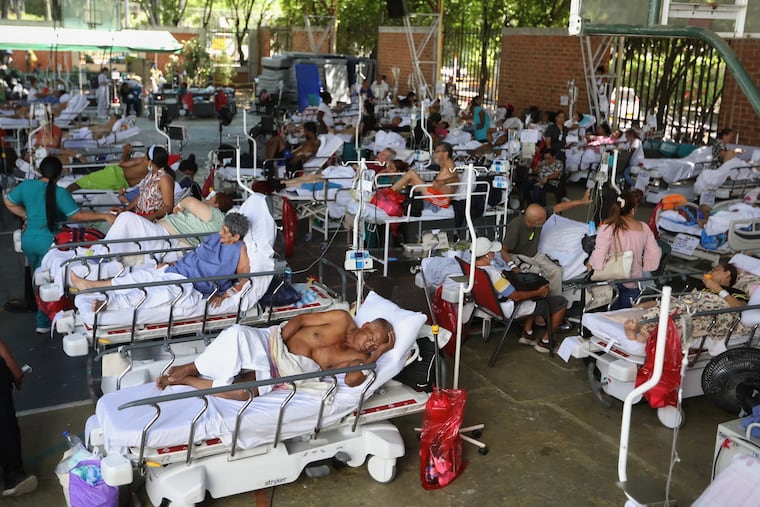
PEREIRA, Colombia – The aftermath of a devastating earthquake that struck western Colombia earlier this week has prompted a mounting urgency in search and rescue operations. On Tuesday, authorities reported that the earthquake, measured at a magnitude of 7.4, had resulted in at least 181 fatalities and left 2,595 individuals injured, with approximately 195 still unaccounted for. However, some civilian reports suggest the number of missing persons could be as high as 4,000, highlighting the extensive impact of this disaster.
As rescue teams continued their efforts into the night, they focused their attention on the worst-hit urban centers, including Cali, Pereira, Manizales, and Quibdó. Time is of the essence in such catastrophic events, as the critical window for locating survivors typically spans the initial 48 to 72 hours post-quake. Experts note that while survival can sometimes extend beyond this timeframe, access to food and water remains a crucial factor.
Amid the wreckage, stories of hope emerged. Rescuers successfully retrieved a baby trapped amid debris, while onlookers celebrated as a woman was extricated from a damaged building. However, those moments of joy are juxtaposed against the harsh reality of a nation grappling with entrenched poverty and civil strife, which complicate the official response to the devastation.
The earthquake’s impact intensifies an already dire humanitarian crisis in Colombia, with pressing needs for aid and assistance. Giovanni Rizzo, the Colombian director for the Norwegian Refugee Council, emphasized the importance of bolstered support for humanitarian efforts. The recent peace accord signed in 2016 between the Colombian government and rebel factions has established a framework that may facilitate swifter distribution of aid in conflict-affected areas, including Chocó, the earthquake’s epicenter.
International assistance has begun to flow into Colombia, with the U.S. government committing over million for relief efforts. Additionally, Mexico is preparing to send a contingent of health workers and vital supplies, while El Salvador’s President Nayib Bukele announced plans for two planes carrying 100 tons of aid.
The ongoing disaster not only tests the resilience of Colombian society but also its governmental structures under the leadership of President Abelardo de la Espriella, who is navigating the challenges of responding effectively to this immediate crisis. The situation underscores the complexities faced by nations engaged in recovery efforts amidst the backdrop of natural disasters and long-standing socio-economic difficulties.
The international community remains vigilant in its support, with aid organizations standing ready to deliver essential supplies as they work tirelessly to bring relief to those most affected by this tragic event.