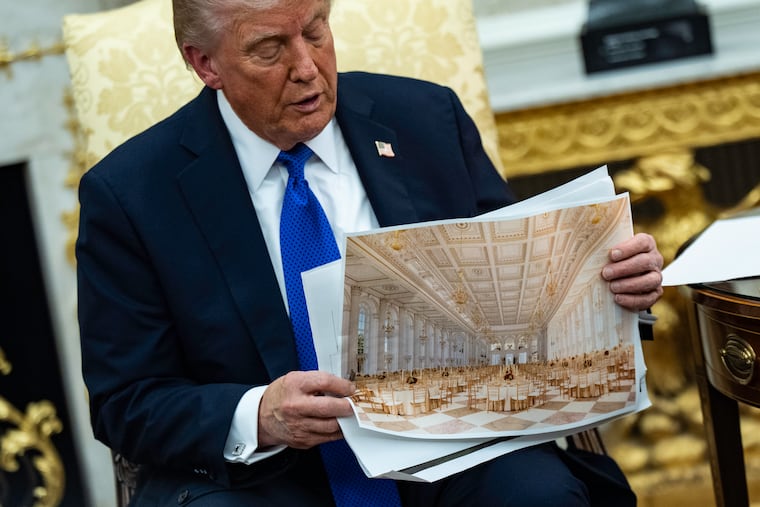
Comcast is one of several U.S. companies funding the renovation of Trump’s controversial White House ballroom.
Comcast has emerged as one of the prominent contributors to the construction of a new ballroom in Washington, D.C., a project proposed by former President Donald Trump. This initiative is particularly notable as it seeks to replace the East Wing of the White House, which has significant historical importance, according to multiple reports from Media News Source.
The estimated cost of the ballroom construction is pegged at around 0 million, but specific details about Comcast’s financial contribution to this ambitious project remain undisclosed. A comprehensive list of donors released by the Biden administration did not reveal the amounts donated by each contributor, which includes 37 corporations, foundations, and individual patrons.
In the past, Comcast has demonstrated financial support for Trump’s political endeavors, including a substantial contribution of million to his 2025 inaugural committee and 0,000 to his inauguration in 2017. Despite this funding history, Trump’s administration has criticized media entities owned by Comcast, such as NBC and MSNBC, highlighting a complex and often contradictory relationship between the former president and the media conglomerate.
The planned ballroom, with an area of 90,000 square feet, has the potential to accommodate nearly 1,000 people, serving as a venue for state dinners and other significant events. However, the project has not been without controversy. Critics point out that Trump initiated construction without the necessary approvals from the National Capital Planning Commission, the body tasked with overseeing construction and major renovations to government properties in the Washington area.
Ethics experts have raised concerns regarding the implications of corporate donations toward the project. Some speculate that organizations supporting the construction might be seeking favorable treatment from the Trump administration. Notably, Claire Finkelstein, a professor at the University of Pennsylvania’s Carey Law School, has voiced apprehensions about the potential misuse of public resources, questioning whether the ballroom will primarily serve official duties or become a venue for private interests attempting to gain influence.
Additionally, some opponents of the project argue that the administration’s prior assurances against demolishing the East Wing were misleading. Incoming scrutiny highlights the ethical considerations surrounding such large-scale donations and their influence on political operations.
Comcast’s involvement places it alongside other major contributors to the ballroom project, including tech giants like Amazon, Apple, and Microsoft, as well as various industries ranging from cryptocurrency to sports. Trump has also indicated his intention to invest his own funds into the construction, further extending the project’s funding base, which he has dubbed as comprising “patriot donors.”
As the construction progresses, the implications of such a significant undertaking will likely continue to arise, prompting ongoing debate over corporate influence in politics and the ethical ramifications of such financial commitments.