
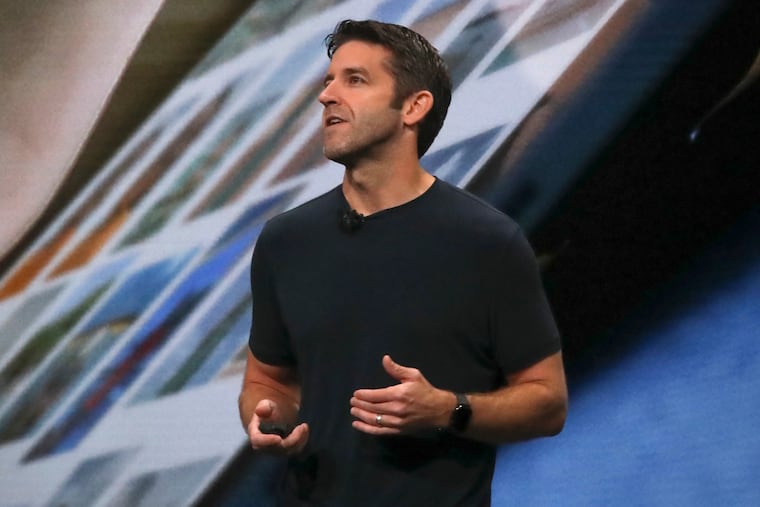
Companies increasingly appoint CEOs in their 60s, reflecting a trend toward hiring older executives for leadership roles.
Recent trends indicate a significant shift in the demographic landscape of corporate leadership in the United States, with a marked increase in the average age of CEOs. An analysis conducted by the National Bureau of Economic Research (NBER) reveals that the typical American CEO is now 61 years old, reflecting a noteworthy evolution in the career trajectories of corporate executives since 2000. This paper examined the professional backgrounds of over 50,500 CEOs, illustrating how the journey to the corner office has transformed dramatically in recent decades.
The average age at which individuals are appointed as CEOs has also increased, from just below 48 in 2000 to 55 years old in recent years. This aging trend is attributed to a host of factors, including extended tenures and delayed retirements among executives. The need for diverse business experience is gaining prominence, signalling a preference for generalist skills over mere functional expertise when selecting leaders for top positions. Researchers Valentin Kecht and Farzad Saidi from the University of Bonn alongside Alessandro Lizzeri of Princeton University have noted that the evolving business landscape demands an array of competencies, prompting companies to favor older candidates with well-rounded experiences.
The trend is especially pronounced among smaller, privately-held firms, which often lack the internal diverse opportunities that larger corporations provide. Smaller firms increasingly appoint executives with extensive external experience, traversing multiple industries to build the requisite skill set for effective leadership. In contrast, the average age of CEOs within S&P 500 companies remains slightly lower, demonstrating a restrained advance in terms of age, rising from approximately 56 in 2000 to just 58.5 in 2023.
Furthermore, the findings highlight a growing preference for individuals with backgrounds in strategy consulting—branches that expedite the development of generalist skills. These candidates often assume CEO roles at younger ages compared to their counterparts who ascend through other industries. The analysis cites that professionals willing to take lateral moves, even at reduced pay or status, to broaden their experiences are better positioned for future CEO roles.
Alongside this demographic shift, there are implications for business performance as well. Older executives are often regarded as conservative leaders, who may slow down firm growth and innovation. However, they are equipped with invaluable experience that allows them to navigate complex business environments characterized by uncertainty. As companies face increasing challenges posed by emerging technologies, such as artificial intelligence, those adept at decision-making and adaptability may find their skills in higher demand.
In conclusion, the changing demographics of corporate leadership reveal a landscape where older, more experienced executives are taking the helm. This evolution presents both challenges and opportunities, emphasizing the value of diverse experiences in navigating an increasingly complex business world.
Media News Source.


