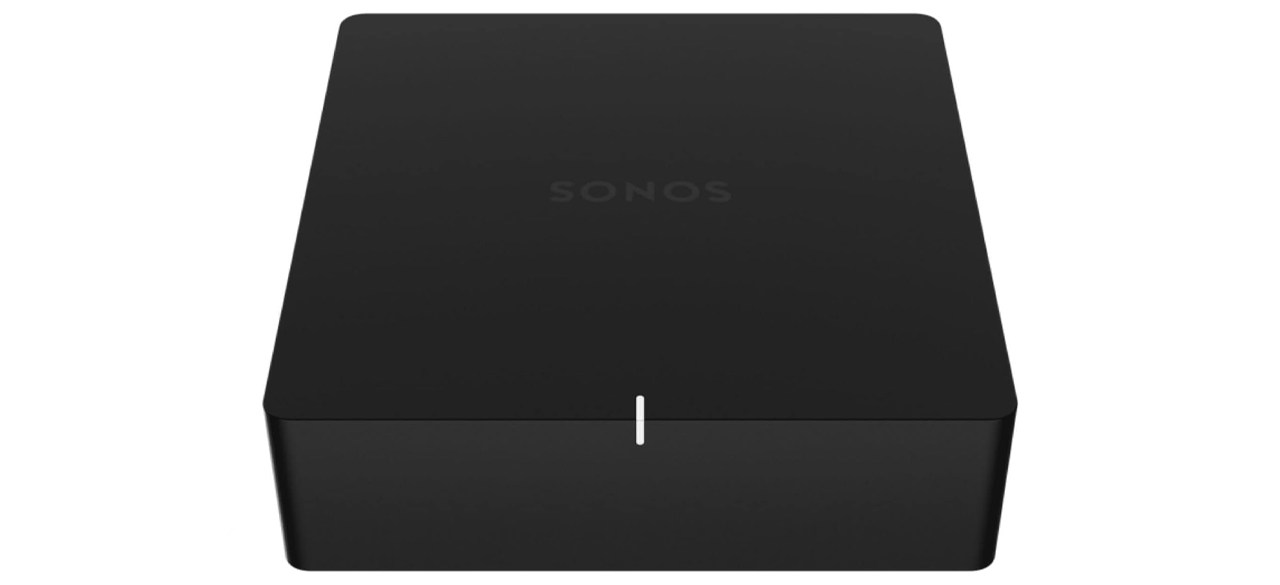
Comparison of Sonos Port and Sonos Amp: Key Features and Differences Explained
In the evolving landscape of home audio technology, two prominent devices from Sonos— the Sonos Port and the Sonos Amp—offer streamlined solutions for music enthusiasts. Both devices represent modern approaches to audio streaming, but they serve distinct functionalities that cater to different home audio setups.
The Sonos Port is a versatile streaming device designed specifically for those who wish to connect wireless capabilities to existing home theater systems that lack such features. It enables users to integrate their favorite streaming services into traditional setups, offering various connectivity options including Wi-Fi, digital coax, and multiple RCA inputs. This allows for seamless connectivity to legacy audio equipment such as turntables or CD players. One of the key advantages of the Sonos Port is its compatibility with Apple AirPlay 2, providing users the flexibility to utilize various audio apps without being restricted to the Sonos application. However, some users have expressed frustration over its transition from the discontinued Sonos Connect, feeling that the enhancement in technology and sound quality, while present, did not justify the discontinuation of the earlier model.
In contrast, the Sonos Amp is positioned as a more comprehensive audio solution, providing power to passive speakers. It combines the functionality of a streaming device with the capability of a dedicated amplifier, outputting 125 watts per channel to passive speakers, a common configuration in many residential audio systems. The Amp also includes features such as an HDMI ARC port, allowing users to easily connect their televisions, as well as touch controls for user convenience. In addition to its impressive power output, the Amp retains the same wireless capabilities as the Port, making it an ideal choice for streaming music from a variety of sources.
Deciding between the Sonos Port and the Sonos Amp ultimately hinges on the specific audio system in place. For homes equipped with active speakers, the Sonos Port emerges as the ideal option, while those using passive setups should lean towards the Amp. Users with both types of speakers may find the Amp to be the more advantageous choice given its robust performance and versatility.
In conclusion, potential buyers should carefully assess their existing audio equipment before making a purchase, as using an incompatible device could result in damaging their systems. As Sonos continues to innovate within the streaming space, discerning consumers can leverage these insights to enhance their home audio experiences, ensuring that their selections align with their unique setups and listening preferences.
Prices and availability are subject to change, reflecting market fluctuations at the time of publication. To stay informed about the latest updates, consumers are encouraged to visit reliable retail platforms regularly.