Concerns Rise Over Vaccine Manufacturers Amid Increased Scrutiny of RFK Jr.
Vaxcyte, a biotechnology firm focusing on vaccine development, recently announced a postponement of human trials for its promising strep throat vaccine. This decision, revealed just two months after the company’s optimistic outlook during an investment conference, underscores the shifting dynamics of vaccine research and funding in the United States. Vaxcyte’s CEO, Grant Pickering, had previously emphasized the significant health challenges posed by strep throat among school-aged children, indicating a perceived urgency for innovative solutions.
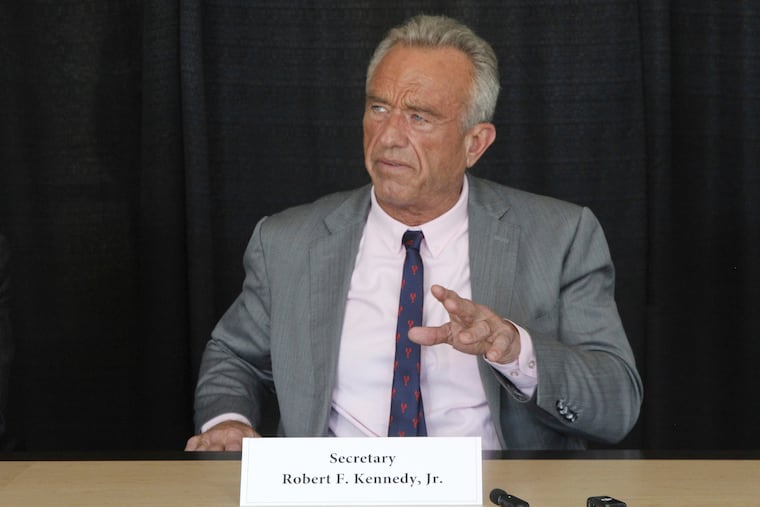
The current policy landscape surrounding vaccines is undergoing substantial transformation under the leadership of Health and Human Services Secretary Robert F. Kennedy Jr. Known for his previous anti-vaccine activism, Kennedy’s recent actions have raised concerns within the vaccine development community. This climate of uncertainty is further exacerbated by reduced government funding and a shift in research priorities that has led to prominent scientific advancements being halted, as documented through interviews with various industry experts and reviews of financial disclosures.
Kennedy’s administration has drawn scrutiny for its skepticism towards established vaccine protocols, which has prompted venture capital firms to reconsider investments in emerging technologies, particularly mRNA-based vaccines. Experts, such as Jonathan Kagan of Corner Therapeutics, have noted that discussions with investors have expanded to include the political ramifications of Kennedy’s stance on vaccines, diverging from traditional dialogues centered solely on scientific merit and business viability.
Warnings from industry insiders indicate that the hostile environment for vaccine development, which historically existed only in certain international contexts, is now present in the United States. Some predict that the implications of Kennedy’s administration will lead to a reduction in the number of vaccines developed, as the approval process becomes increasingly difficult to navigate.
In June, Kennedy replaced members of a crucial advisory panel that influences national vaccine recommendations, which has raised further alarm among public health experts. Additionally, in August, the HHS announced the cancellation of 0 million in contracts aimed at developing mRNA-based vaccines. The administration’s response has been to connect adverse event reports to vaccine safety, casting further shadows on the vaccine landscape.
Despite the documented safety and effectiveness of current coronavirus vaccines, challenges remain. The FDA recently approved new vaccines for high-risk groups but has created further confusion by narrowing eligibility. Reports indicate that public confidence in vaccines is eroding, complicating the fundraising landscape for biotech companies.
Amidst these challenges, some industry leaders maintain that vaccines will remain vital to public health in the long run; however, the regulatory climate continues to shift, presenting new risks. Biotech investors express concern that until regulatory processes stabilize, investment in vaccine innovation may slow.
Companies like Vaxcyte and Vaxart have already reported delays and operational halts in clinical trials, contributing to stock price volatility and jeopardizing their positions in the market. With funding sources retracting support and clinical pathways becoming increasingly fraught, the future of vaccine research and development hangs in a delicate balance.
In a broader context, the tension between vaccine innovation and public health policy remains a focal point for both investors and the scientific community, as unprecedented disruptions look set to reshape the vaccine development landscape for the foreseeable future.
The ongoing situation has significant implications for public health, as diminished vaccine availability could lead to a resurgence of preventable diseases. The current climate reflects a growing need for clarity and support for vaccine technology, particularly as the nation navigates its response to infectious diseases in an evolving health policy environment.
Media News Source.