Construction on Lehigh Avenue apartment project set to begin under new ownership after previous delays.
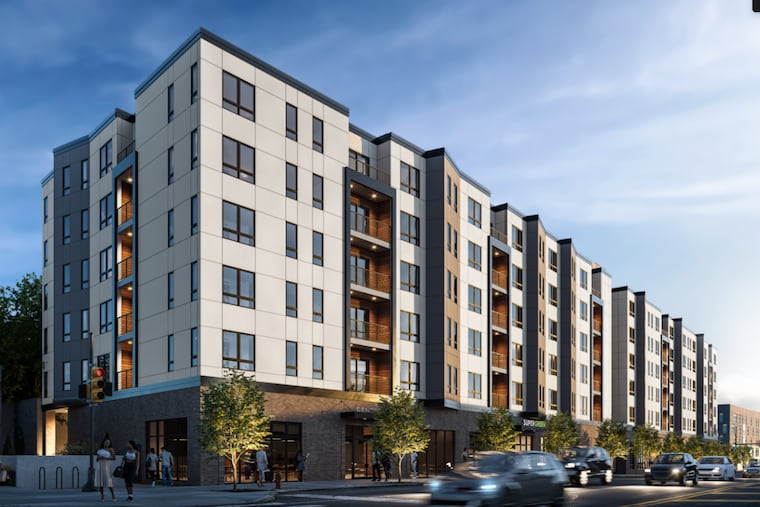
A significant six-story apartment development at 2001 E. Lehigh Avenue in Kensington is set to advance under new ownership, following a protracted period of delays exacerbated by a challenging development landscape. The project, which has transformed a previously underutilized site, is emblematic of the changing dynamics within the Kensington neighborhood.
Lehigh Avenue serves as a dividing line within the Kensington area, separating the economically revitalizing southern portion from the northern regions battered by the ongoing opioid crisis. Historically, this area has experienced inconsistent levels of development, but a recent trend has seen the renovation of light industrial and auto-oriented properties into residential spaces.
The redeveloping landscape along the avenue has garnered attention from local stakeholders. The revival has not only transformed the immediate surroundings but is also extending further north, a sentiment echoed by industry insiders. The newly appointed architect for the project, Brian Corcodilos, expressed confidence in the corridor’s continued development potential, indicating that demand for rental units remains robust.
Originally, the project was spearheaded by developer Isaac Singleton, who secured necessary zoning approvals for the scheme in 2023 and 2024. The property was subsequently acquired for .5 million in January 2025 by Roman Ovrutsky, who is now overseeing the project’s completion. A demolition permit was recently issued, and ground-breaking construction is anticipated to begin by early spring.
The current iteration of the project aims to deliver 146 apartments—slightly fewer than initially planned—along with more than 6,000 square feet of commercial space on the ground floor. Additionally, 54 underground parking spaces will be incorporated into the design, aligning with modern urban housing needs. Designblendz has also remodeled the architectural aesthetics to include darker grays and slate hues, refreshing the visual appeal of the building.
Factors such as recent modifications to federal tax policy have rejuvenated developer interest, allowing construction to resume in a market previously hindered by high interest rates and overcapacity issues. As market conditions stabilize, more development projects are leveraging mixed-income zoning bonuses or accommodating tenants with federal rent subsidies, thus ensuring financial viability.
Despite common hurdles posed by the rental market—where discrimination against voucher-holding tenants persists—an increasing number of landlords are recognizing the benefits of welcoming this demographic. This shift is being mirrored in new housing initiatives, as exemplified by recent property transactions targeting voucher holders. In today’s competitive market, developers and stakeholders acknowledge that incorporating affordability components into larger projects often makes economic sense, particularly in areas such as Kensington, where revitalization is a top priority.
As the landscape continues to evolve, Designblendz reports heightened activity in its projects, driven by favorable legislative changes and a reduction in the oversupply of apartments. The sentiment among developers indicates optimism toward filling these new units, showcasing a resurgence in the construction sector that had previously shown signs of stagnation. With growth prospects looking brighter, the Kensington area appears poised for a significant transformation in the coming years.
Media News Source