Costco files lawsuit against the Trump administration, demanding a full refund related to tariffs.
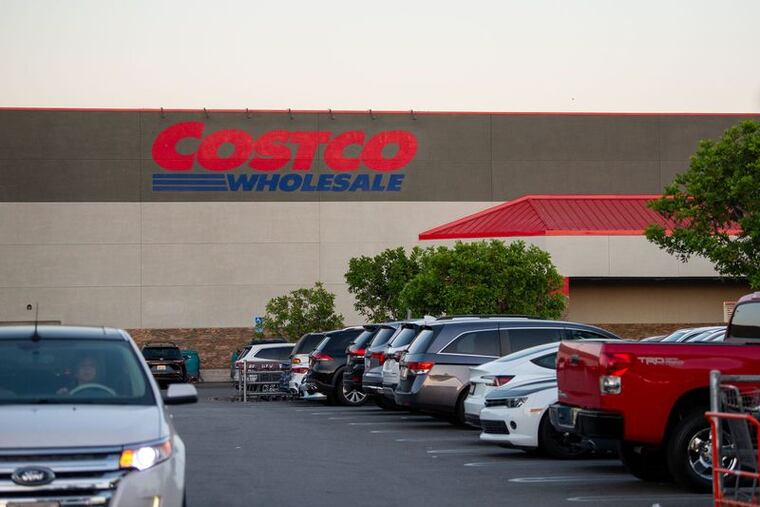
Costco Wholesale Corp., a leading retail giant based in Issaquah, Washington, has initiated legal action against the federal government to secure a complete refund on import duties in the event that the Supreme Court rules against the tariffs imposed by former President Donald Trump. The lawsuit was filed in the U.S. Court of International Trade in New York on November 28, with the aim of declaring the administration’s use of the International Emergency Economic Powers Act for enacting these tariffs as unlawful.
In its filing, Costco, the largest warehouse club operator in the United States, claims to have served as the “importer of record” for various products subjected to the tariffs. However, the company has refrained from specifying the exact monetary amount it seeks in damages. The retailer emphasized its concern regarding the lack of a guaranteed refund for importers if the Supreme Court ultimately overturns the tariffs, asserting that legal action is necessary to protect its financial interests.
One major point raised in the lawsuit is Costco’s assertion that Customs and Border Protection (CBP) denied its request to postpone the calculation of the total tariffs owed. The company argues that moving forward with these calculations could significantly compromise its ability to secure a refund, should the court rule in its favor. This lawsuit is distinct from a broader case concerning Trump’s tariffs that the Supreme Court addressed in November.
Costco’s legal maneuver is part of a trend in which other corporations have similarly sought to safeguard their rights to tariff refunds. Notable companies that have pursued similar legal actions include Bumble Bee Foods, EssilorLuxottica, Kawasaki Motors, Revlon, and Yokohama Tire, as documented in court records.
Legal experts and observers are paying close attention to the ongoing Supreme Court case, particularly following a session on November 5 in which justices expressed skepticism over the administration’s authority to impose extensive tariffs under the 1977 International Emergency Economic Powers Act. The deliberations suggested a complex legal terrain, with concerns raised about the balance of power between the executive branch and Congress regarding tariff authority.
As the Supreme Court has fast-tracked the tariff case, it has not provided a timeline for when a ruling will be issued. The implications of this case extend beyond Costco, potentially affecting numerous businesses impacted by the administration’s tariff policies. The outcome could set a significant legal precedent regarding the scope of executive power in trade matters and the rights of businesses to seek restitution for imposed tariffs.
Media News Source.