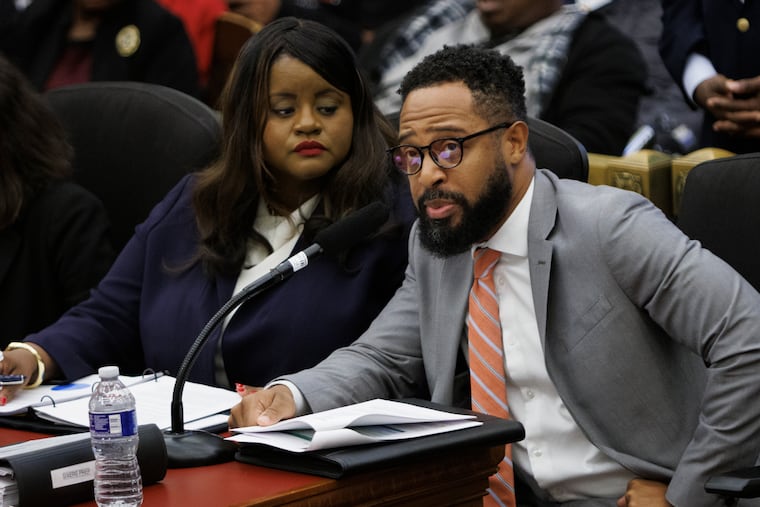
Council members question Mayor Cherelle Parker’s housing program and who will benefit from city housing initiatives.
Members of the Philadelphia City Council offered a generally positive response to Mayor Cherelle L. Parker’s proposed housing initiative during a recent session. However, they also sought further clarification on several aspects of the ambitious billion plan, titled Housing Opportunities Made Easy (H.O.M.E.), which is set to undergo a critical vote in six weeks.
This initiative aims to fulfill Parker’s campaign commitment to significantly enhance the availability of affordable housing in Philadelphia. The mayor presented a detailed overview of her intention to allocate 0 million in city bonds as part of this strategy, which is designed to address the ongoing housing affordability crisis exacerbated by potential federal funding cuts under the current presidential administration.
Despite the expressed support from council members, many details necessary for the plan’s authorization—including zoning bills and bond authorization—remain underdeveloped. Administration officials indicated that while zoning legislation is anticipated for Council consideration next week, the bond authorization may take additional weeks to finalize.
Parker’s proposal outlines a goal of constructing or preserving 30,000 housing units over the next four years, emphasizing the urgent need for expanded housing options for residents across various income levels. However, skepticism exists among council members regarding the adequacy of the plan’s support for low-income families. Concerns were raised that certain provisions might inadvertently allow higher-income households access to programs intended for those most in need.
For instance, the proposed One Philly Mortgage program would extend assistance to first-time homebuyers earning up to 120% of the area median income, which surpasses the threshold of many low-income individuals. Currently, around 320,000 Philadelphians live below the poverty line, highlighting the pressing need for housing assistance that is meticulously targeted.
Furthermore, the council expressed apprehensions about the plan’s reliance on debt and the associated long-term implications for city finances. Lawmakers are also hesitant about yielding their authority over zoning decisions, a power that has historically allowed neighborhood interests to influence development outcomes.
Concerns were voiced regarding the effectiveness of the proposed measures to foster new construction adequately, as well as the inclusion of provisions aimed at promoting diversity within the workforce responsible for implementing the housing initiatives. The council aims to ensure that local communities, particularly those historically marginalized, have a more significant role in the development process.
Parker is seeking approval for her H.O.M.E. initiative through city budget negotiations, with preliminary committee approval required by June 5 to stay on schedule. As discussions continue, the focus remains on balancing the pressing need for affordable housing against community interests and fiscal responsibility. The outcome of these deliberations could significantly shape the future of housing in the city.
As this high-profile proposal moves forward, the interplay between the council’s oversight role and the mayor’s ambitious housing strategy will be closely scrutinized, with broader implications for Philadelphia’s residents, particularly those in low to moderate-income brackets.