Councilmember proposes zoning restrictions for four West Philadelphia schools scheduled for closure.
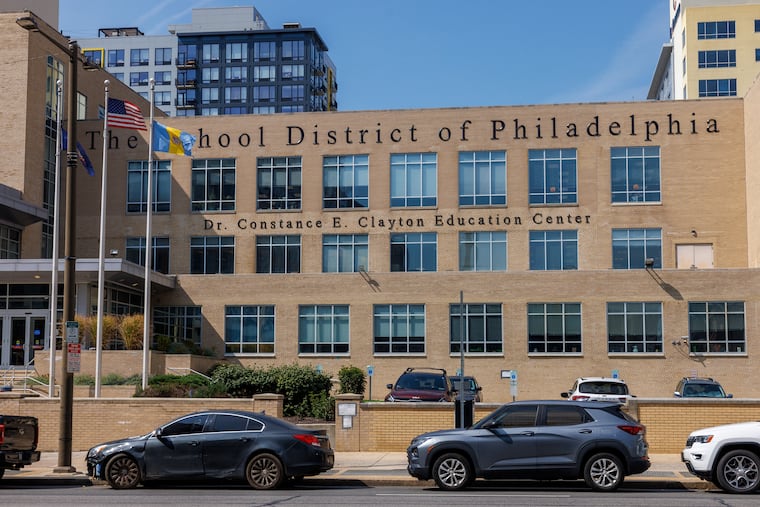
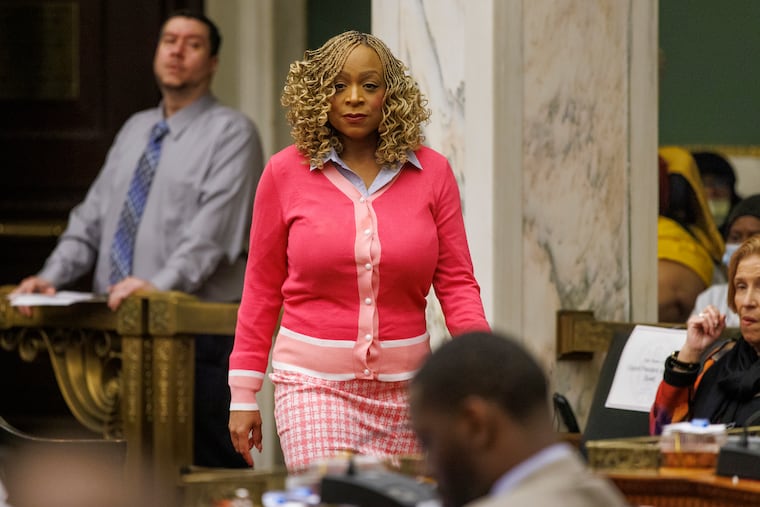
In an intensifying debate over the Philadelphia School District’s proposal to shutter 18 schools, City Councilmember Jamie Gauthier has introduced zoning legislation aimed at limiting future redevelopment of four school facilities scheduled for closure in West Philadelphia. The proposed bills are a response to growing concerns related to the district’s plans, which have faced significant opposition since being announced earlier this year.
Through her legislation, Gauthier seeks to rezone not only the properties of four closing schools but also a fifth institution, Motivation High School, which was recently excluded from the closure list. Her office emphasized that the motivation behind the rezoning is to safeguard against potential redevelopment by private developers, ensuring that community voices are prioritized in discussions about the future use of these educational properties.
Currently, the properties are classified under zoning categories that permit residential and commercial redevelopment. If enacted, Gauthier’s proposed reclassification to “Special Purpose Civic” would restrict the properties to uses associated with public-serving institutions, such as schools and libraries. This change may jeopardize potential housing initiatives planned for two of the buildings, specifically Paul Robeson High School and Blankenburg Elementary, both of which are earmarked for city acquisition under the district’s strategy.
Gauthier has asserted the necessity of her legislation, stating her intent to prevent any opportunistic motives by the district regarding the financial implications of property sales. The ongoing crisis in Philadelphia’s public school system, with approximately 70,000 empty seats and a structural deficit exacerbated by underfunding, places considerable pressure on district officials to exercise fiscal responsibility. Superintendent Tony B. Watlington has emphasized the need to enhance academic outcomes, asserting that the decisions regarding school closures are primarily based on educational rather than real estate considerations.
The response from fellow council members has been largely critical of the district’s restructuring efforts. Gauthier’s legislative actions suggest a substantial pushback against what many view as an inadequate dialogue with the community regarding these closures. While there is a longstanding tradition of councilmanic prerogative, which generally supports local council members’ decisions on real estate issues, Gauthier’s stance may reflect a shift towards greater accountability and community involvement in educational policy.
The proposed zoning revisions align with Gauthier’s commitment to ensure that the community’s interests are retained, and not sacrificed for potential profit. Opponents of the closures argue that the actions taken by the district disproportionately affect working-class, Black, and brown families. As Philadelphia seeks to navigate its complex educational and housing challenges, Gauthier’s efforts underscore a critical intersection of community advocacy and urban policy.
As the debate unfolds, the implications of Gauthier’s legislation could significantly reshape the landscape of real estate development within the school district and reflect broader themes of gentrification and equitable access within West Philadelphia. The focus now turns to the legislative process and the potential fallout from decisions made in the face of community dissent.
Media News Source