
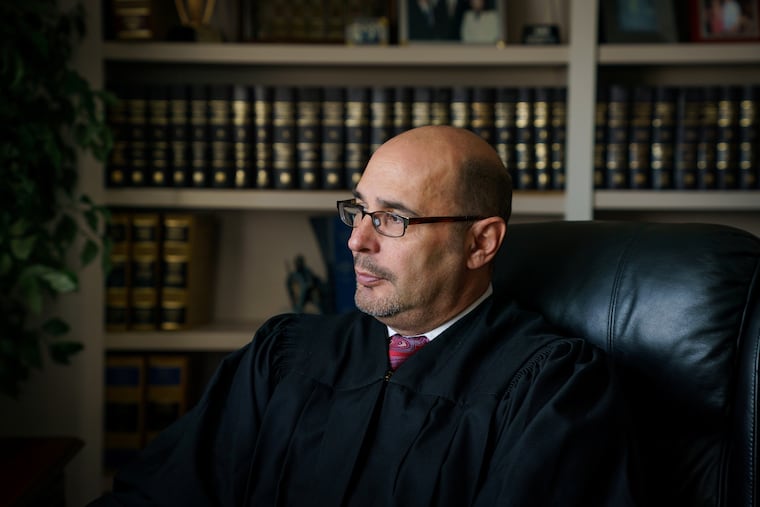
Courtroom recordings challenge Judge Scott DiClaudio’s testimony in investigation of alleged case influence attempts.
A judge’s conduct is under scrutiny following a session with the Court of Judicial Discipline, as significant allegations emerge regarding his interactions with a fellow judge. Scott DiClaudio, a Philadelphia Common Pleas Court judge, recently faced inquiries about whether he attempted to influence Judge Zachary Shaffer concerning a gun case linked to a defendant associated with rapper Meek Mill.
During the October hearing, DiClaudio denied summoning Shaffer to his courtroom, asserting that Shaffer’s visit was unplanned and unexpected. However, audio recordings from both judges’ courtrooms seem to challenge DiClaudio’s assertion. The recordings reportedly captured DiClaudio asking his court staff about Shaffer’s schedule, instructing them to ascertain his location shortly before Shaffer was approached by an assistant regarding a meeting with DiClaudio.
The Judicial Conduct Board accused DiClaudio of egregious behavior, stating that his actions brought disgrace to the judicial system. They alleged he sought to manipulate the proceedings because of his personal ties to influential figures and the defendant involved. DiClaudio has maintained his innocence, attributing any misunderstanding to miscommunication. He has been suspended without pay as the investigation continues.
Legal representatives for DiClaudio have opted not to comment on the specifics of the recordings, preferring to focus on the ongoing nature of the case and expressing concerns regarding the leaks associated with it. The allegations against DiClaudio have been characterized by legal professionals as severe, illustrating a potential breach of judicial ethics that could severely impact public trust in the legal system.
Capturing conversations within courtrooms is a practice established to assist in the transcription of court proceedings. This technology played a crucial role in the current investigation. The incidents on June 12, when the exchanges occurred, have raised questions about the propriety of DiClaudio’s interactions with Shaffer, especially considering the enduring ties both men share within judicial circles and the implications of their discussions on case sentencing.
The case against DiClaudio is not his first encounter with the Judicial Conduct Board. Over the last decade, he has faced multiple inquiries, ranging from matters involving ethical standards to prior misconduct allegations. In 2020, he was found to have violated the code of conduct for failing to disclose financial debts properly. Furthermore, this year, he was accused of using his judicial authority to promote his wife’s cheesesteak business, which further damaged his standing.
As this complex and high-profile case continues to unfold, the outcomes could lead to significant repercussions for DiClaudio, including potential censure or removal from office. Meanwhile, he was recently reelected to another term, but discussions of retirement have surfaced amidst the ongoing scrutiny. The public and legal communities wait with bated breath as the trial convenes, anticipating its influence on both DiClaudio’s career and the broader judicial landscape in Philadelphia.
Media News Source


