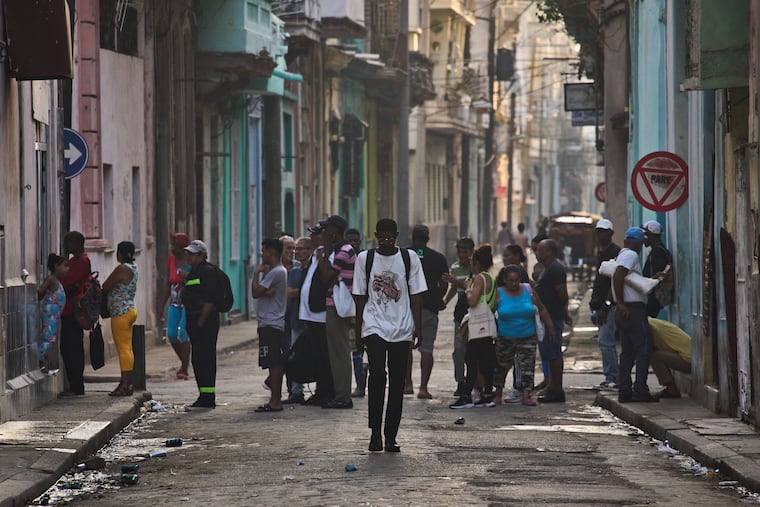
Cuba experiences nationwide blackout amid ongoing energy crisis, according to local officials.
Cuba has recently experienced a nationwide blackout, plunging its population of approximately 11 million into darkness as the nation grapples with escalating energy and economic crises. The Cuban government has attributed its challenges, in part, to the United States’ energy blockade, which has intensified since former President Donald Trump threatened tariffs on nations supplying oil to Cuba.
According to the Ministry of Energy and Mines, the blackout was characterized by a “complete disconnection” of the electrical system. This incident signifies a troubling trend, as Cuba has seen frequent power outages and significant disruptions in electricity supply in recent years. In a bid to address the crisis, the Cuban leader, President Miguel Díaz-Canel, highlighted that the country had not received any oil shipments for over three months, compelling the government to rely on alternative energy sources such as solar power, natural gas, and thermoelectric plants. This lack of oil has had severe implications, resulting in the postponement of surgeries for tens of thousands of citizens, illustrating the far-reaching impact of the current energy shortages.
The blackout follows another significant outage that affected the western regions of the country just over a week ago, leaving millions without power. The interruption of critical oil shipments from Venezuela, a crucial ally, has further exacerbated the situation. Venezuela’s oil supplies have suffered from U.S. actions against its government and the arrest of its former president, Nicolás Maduro, which have hampered Cuba’s ability to secure the energy resources necessary to stabilize its economy and infrastructure.
Despite the difficulties attributed to the aging electrical grid, the government continues to point to the U.S. economic sanctions as a primary factor hindering its capacity to manage the crises effectively. Tensions between the nations remain high, particularly following Trump’s threats to impose further sanctions unless Cuba takes steps toward political and economic reforms.
As the island nation prepares to navigate these ongoing challenges, the U.S. Embassy in Cuba announced on social media that there is currently no information regarding the restoration of power. The future remains uncertain for many Cubans as they face the realities of systemic outages and declining living standards under increasingly strained circumstances.
In summary, the combination of domestic infrastructure issues and geopolitical tensions continues to pose significant challenges for Cuba, complicating efforts to restore stability amid a deepening humanitarian crisis.