Cuban minister reports that U.S. fuel blockade is severely impacting the country’s healthcare system.
Cuba is grappling with an unprecedented crisis within its healthcare system, a situation exacerbated by recent U.S. sanctions that have severely restricted the island’s oil supply, according to a statement from a Cuban official. The nation’s healthcare network has long been characterized by chronic shortages of essential medical supplies, staff, and medications. However, the challenges have escalated dramatically in recent weeks, with emergency services struggling to find sufficient fuel for ambulances, and hospitals plagued by ongoing power outages. The government has announced that flights carrying vital medical supplies have been suspended due to its inability to refuel aircraft at Cuban airports.
Experts and international representatives have expressed concern that Cuba may be on the precipice of a humanitarian crisis. The Health Minister, José Ángel Portal Miranda, emphasized that the U.S. sanctions are not merely economic impediments; they are fundamentally threatening the safety and well-being of the Cuban populace. Around 5 million people living with chronic illnesses are at risk of receiving inadequate care or missing necessary medications, including 16,000 cancer patients in need of radiotherapy and an additional 12,400 undergoing chemotherapy.
Key areas of healthcare facing disruption include cardiovascular care, oncology, and emergency services reliant on electrical supply. The ongoing energy crisis has reached alarming heights, particularly following an executive order signed by former President Donald Trump which imposed tariffs on countries providing oil to Cuba, further isolating the island. Historically, Cuba has depended on allies such as Venezuela, Mexico, and Russia to meet its energy requirements, but these supplies have dwindled.
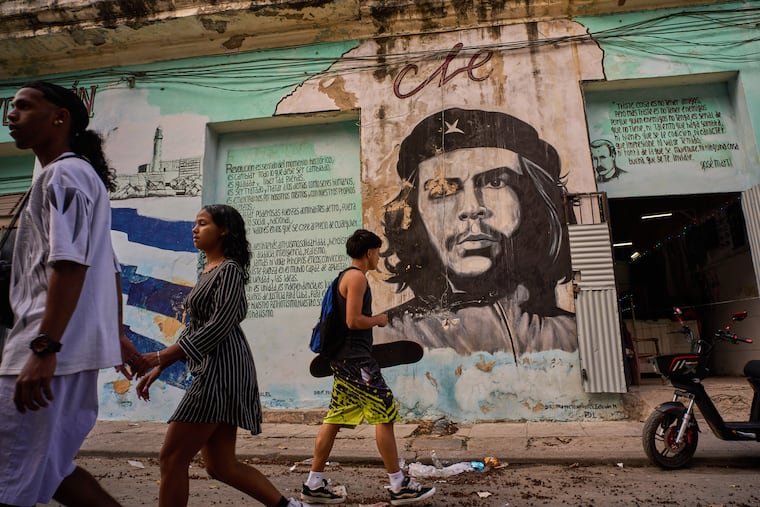
The impact of the fuel blockade on everyday life is evident across Cuba, where residents are confronting serious hardships. Public transport routes have been reduced, fuel is now available strictly through foreign currency transactions, and widespread blackouts have become increasingly common. The dire situation is well illustrated by testimonies from citizens like Aniliet Rodríguez, a young expectant mother who reported a lack of essential goods such as bread and milk and medicines in healthcare facilities.
Despite its commitment to provide universal healthcare, Cuba’s medical system has deteriorated, especially in the wake of the COVID-19 pandemic. The emigration of thousands of healthcare professionals seeking better opportunities abroad has compounded these challenges. As a result, many residents have turned to the black market to obtain necessary medications.
Looking forward, the Cuban government is attempting to adapt to the escalating adversity, including the installation of solar panels in clinics. However, the reliance on less resource-intensive care techniques, alongside restrictions on equipment like CT scans, means patients may not have access to the advanced medical treatments they need. The Health Minister underscored the seriousness of the situation, stating that the ongoing energy crisis poses significant risks to the lives of many Cuban families.
As Cuba faces these daunting challenges, the international community continues to monitor the situation closely, anticipating further developments in this ongoing crisis.
Media News Source.