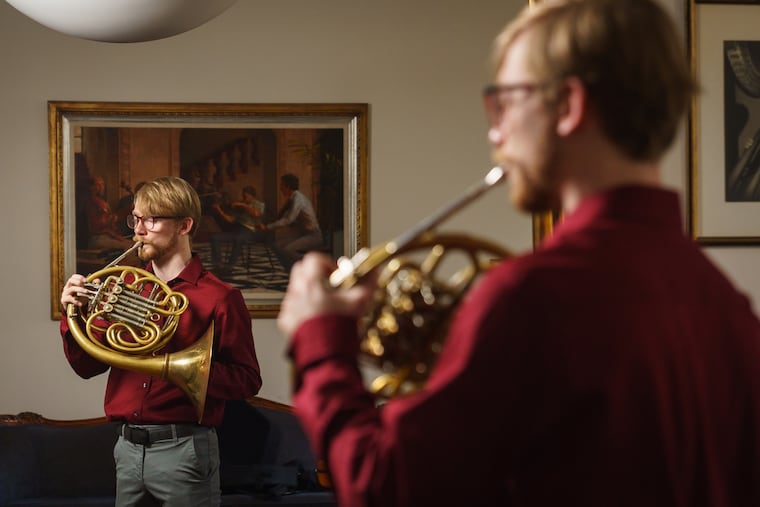
Curtis Institute secures its future with 17,000 donations totaling 5 million after 11 years of fundraising efforts.
The Curtis Institute of Music, renowned for its distinguished tuition-free model, has successfully raised nearly 0 million as part of an extensive fundraising campaign that commenced in 2014. This achievement not only bolsters the conservatory’s financial foundation but also ensures the continuation of its unique educational ethos, which prioritizes accessibility for talented musicians.
Roberto Díaz, the president and CEO of the Curtis Institute, recently reiterated the importance of maintaining this tuition-free status, a policy first instituted by the school’s founder, Mary Louise Curtis Bok, four years after its establishment in 1924. The institute’s tuition-free model differentiates it from other music conservatories, having traditionally relied on investment income and annual contributions to sustain operations. With the latest campaign, which concluded on May 31, 2025, Curtis has significantly enhanced its endowment and secured vital resources for musical instruments, programming, and the construction of new facilities in Rittenhouse Square.
The campaign’s financial breakdown reveals a total impact of approximately 5 million. This figure encompasses a variety of contributions and assets, including 0 million in gifts and pledges specifically designated for the endowment, along with million attributed to investment growth over 11 years. Furthermore, the conservatory has received million in instrument donations and more than million from annual operational support during the campaign period.
Curtis’s strategic fundraising efforts have attracted remarkable large-scale donations, including a pivotal million contribution from international philanthropist Nina Baroness von Maltzahn. In total, over 4,654 donors participated, providing more than 17,000 separate donations, showcasing a substantial community of support.
Additionally, Curtis acquired the Philadelphia Art Alliance building for .6 million, a move facilitated through a rapid fundraising effort following the property’s auction due to the financial distress of the University of the Arts. The purchase was backed by various significant donations that enabled Curtis to expand its campus, although plans for the building’s future use remain to be defined.
As the campaign concluded, conversations about the next steps in fundraising have already begun. Díaz has indicated a desire to engage with students, alumni, faculty, and board members to identify potential goals for future initiatives. One hopeful prospect involves creating sufficient support to offer all students complimentary room and board, reinforcing the institution’s foundational commitment to ensuring that financial constraints do not hinder access to world-class music education.
Overall, the Curtis Institute’s current fundraising endeavors not only enhance its operational stability but also serve a larger mission to nurture and support the next generation of musical talent without the burden of tuition. The successful raising of funds reflects the enduring legacy and vision of its founder and marks a significant milestone in the conservatory’s history.
Media News Source