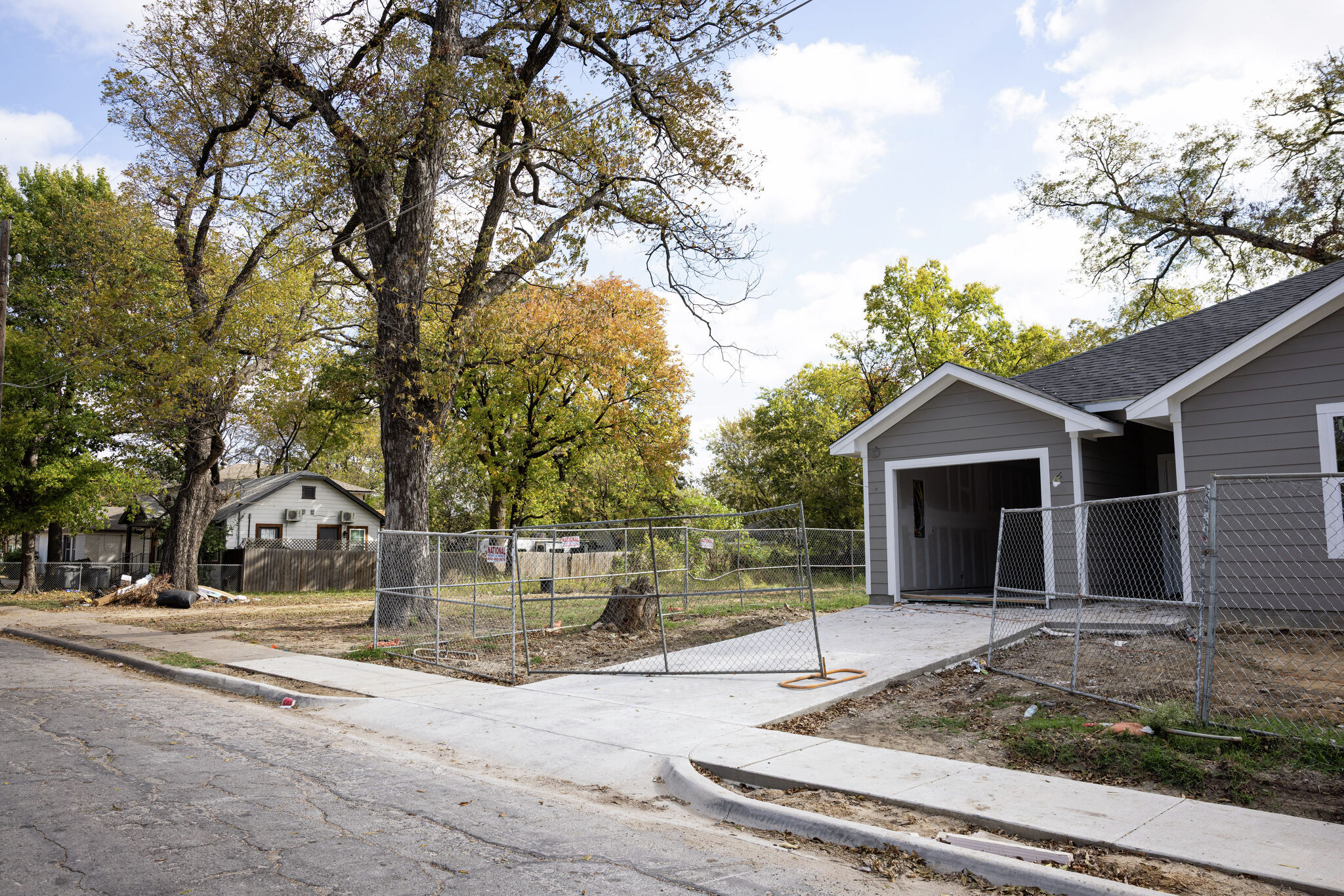
Dallas housing advocates seek zoning reform by examining historical factors influencing current housing policies.
As Dallas embarks on a significant overhaul of its urban planning regulations, stakeholders including housing advocates, developers, and community members convened at the Life In Deep Ellum cultural center recently to discuss the future of the city’s neighborhoods. The event, hosted by the Dallas Housing Coalition, aimed to shed light on the historical context of Dallas’ urban landscape, particularly areas that have suffered from the repercussions of past policy decisions.
Historian Jerry L. Hawkins led the conversation, emphasizing that understanding historical narratives can inform effective urban planning. The gathering featured the premiere of a documentary trailer and the launch of a new zoning reform campaign designed to make housing more affordable and attainable. Attendees engaged with a historical timeline displayed throughout the venue and explored Hawkins’ publication, “People’s Guide to Dallas’ Housing History,” which outlines the city’s complex history of gentrification, segregation, redlining, and the disruptive impact of urban highways on communities.
The backdrop of this discussion is a notable trend: Dallas County has experienced a population decline amid broader growth in North Texas, particularly in areas to the north of the city. The city is facing a persistent housing affordability crisis, prompting the introduction of zoning reforms for the first time in decades. This hopeful initiative aims to dismantle outdated regulations while facilitating new development.
Bryan Tony, the executive director of the Dallas Housing Coalition, highlighted the necessity of grappling with the past to pave the way for a more equitable future. The Dallas City Council’s recent approval of the ForwardDallas 2.0 plan illustrates an effort to create a long-term vision for land use that has involved extensive dialogue among various stakeholders.
The Dallas Housing Coalition advocates for the inclusion of diverse housing types, such as apartments and duplexes, to meet the needs of the community. Significant zoning changes have recently been implemented in South Dallas, where over 3,300 acres have been rezoned to establish standards and designate spaces for development.
In other districts, like Joppa in southeast Dallas, community discussions are taking place to address how to transition industrial sites when companies move out. Meanwhile, West Dallas residents are actively pushing for the reduction of industrial zones in their neighborhood.
Civil rights attorney Laura Beshara reiterated the importance of zoning in safeguarding residential areas from industrial encroachment, underscoring that appropriate zoning can have substantial implications for residents’ health and property equity.
Among attendees was Roshunda Campbell from Oak Cliff, who expressed the relevance of learning about the city’s past to create a better future. The impact of historical injustices, such as the construction of Interstate 35E through the Tenth Street Historic District, remains evident as the city seeks to rehabilitate its neighborhoods. While development efforts such as the multimillion-dollar Halperin Park offer hope for connectivity, community voices are raising concerns about potential gentrification.
Local residents like Campbell are optimistic about the emergence of affordable housing for current and future generations, emphasizing the importance of historical awareness in fostering community integrity. The ongoing dialogue about Dallas’ urban planning is pivotal not just for immediate housing needs, but also for ensuring that history does not repeat itself.
This initiative is part of the Future of North Texas, a community-funded journalism effort supported by various organizations committed to promoting informed urban development.