Democratic Party’s Future Depends on Building Coalitions for Success.
Recent electoral successes in New Jersey, Virginia, and New York City signal a pivotal moment for the Democratic Party, emphasizing the strategy of coalition-building rather than ideological division. These victories reflect a broader consensus—when party members come together, they are able to achieve substantial outcomes. Yet, within the party, voices are increasingly advocating for a choice between moderates and progressives, raising fundamental questions about identity and strategic direction.
The Democratic electorate is characterized not by uniformity but by diversity. It is not a monolithic bloc but a coalition that embraces various regional, cultural, and ideological identities. This diversity, while sometimes portrayed as a weakness, should instead be seen as a source of strength. When factions are mistaken for a singular ideological identity, the party risks diluting its purpose and undermining its collective power.
Despite differing approaches, the core aspirations of Democrats generally align with fundamental American values, such as ensuring quality education for every child, eliminating hunger, creating dignified work opportunities, and preserving the health of the environment. These goals transcend ideology; they are shared objectives that can unite various factions within the party.
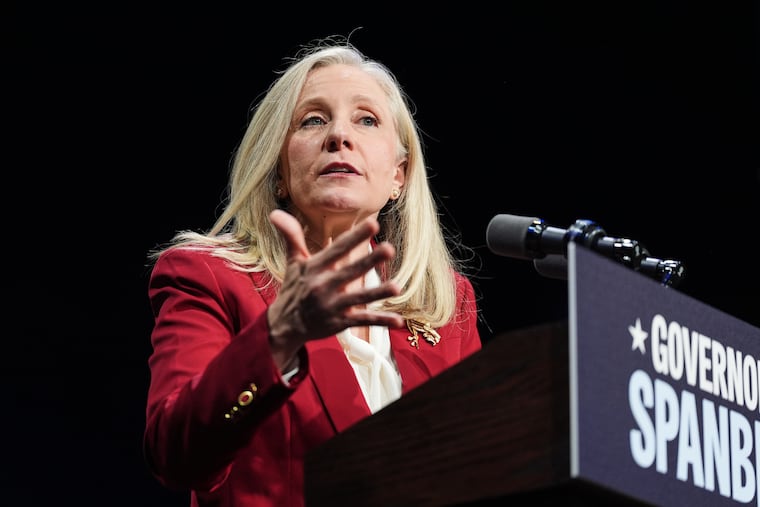
The recent elections, particularly in Virginia and New Jersey, illustrate this principle. Abigail Spanberger and Mikie Sherrill successfully re-engaged suburban and independent voters by addressing key issues like cost of living and governance. In New York City, Zohran Mamdani captured the attention of younger voters with bold plans to deal with the city’s economic challenges, proving that candidates do not need to occupy the same ideological space to be effective. Rather, they need to exhibit a commitment to enhancing people’s lives through practical solutions.
The strategic lesson for Democrats is not about choosing between different ideological camps but recognizing the unique roles each segment plays within this multifaceted coalition. Progressive voices stimulate enthusiasm and voter turnout, while centrist figures broaden the electorate and secure crucial victories. By supporting both ends of the spectrum, the party can maintain a cohesive message and broader appeal.
Building and maintaining this coalition requires ongoing investment in community relationships, infrastructure, and grassroots organizing. Robust coalitions do not emerge spontaneously; they must be cultivated through trust and regular engagement, emphasizing shared stakes.
The future of the Democratic Party hinges on its ability to nurture this coalition as a strategic resource, respecting the voices, histories, and contributions of each community involved. In a time when divisions are amplified, the party must hold steadfast to its values, using them as a touchstone for unity.
Ultimately, the coalition is not simply a compromise between differing factions; it is an essential strategy for success. By fostering collaboration and mutual respect among its members, the Democratic Party stands to not only secure electoral victories but also to reaffirm its commitment to the ideals of American democracy. This proactive approach can resonate well beyond election cycles, renewing the party’s vision for the future.
Media News Source