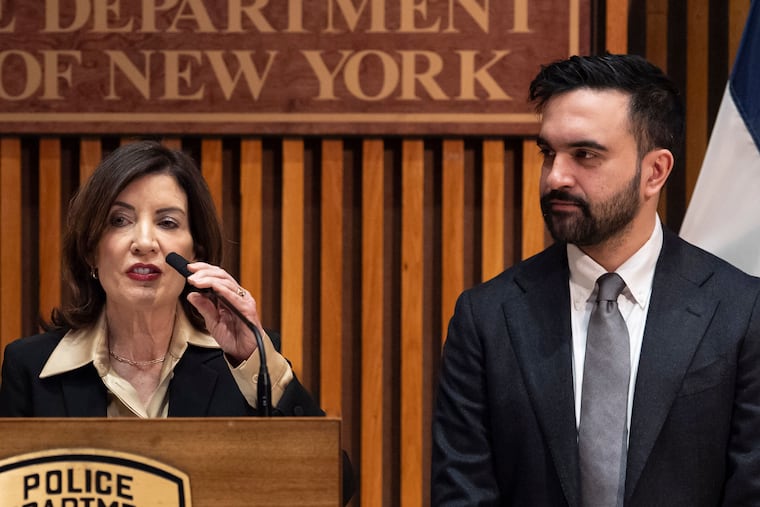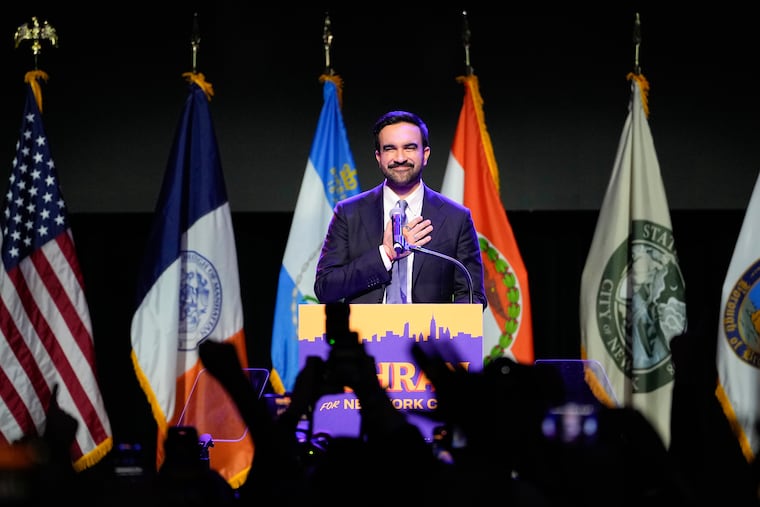
Democratic Socialists, including Zohran Mamdani, are gaining influence in local politics.
In the wake of a significant electoral victory by Zohran Mamdani, the focus on his achievement has sparked discussions regarding the broader political climate that facilitated his rise. Mamdani’s success as a candidate is closely linked to the organized support from political movements, particularly the Democratic Socialists of America (DSA), which has played an instrumental role in shaping pro-socialist candidates in both New York and Philadelphia.
Mamdani’s ascent to office was not an isolated occurrence; rather, it is the culmination of a decade-long effort by the DSA’s New York City chapter. This chapter has executed a focused strategy aimed at empowering working-class constituents through political engagement, culminating in the election of 11 individuals to various levels of government. His candidacy was strategically developed through a democratic process initiated by the DSA in 2021, highlighting a long-term vision to build political power and pursue reforms that benefit ordinary citizens.
In Philadelphia, the DSA chapter’s outreach is relatively new but demonstrates a similar capacity for building electoral strength. This initiative has effectively mobilized volunteers who democratically endorse candidates as part of a strategy rooted in enhancing the living conditions of working-class citizens.
Despite holding formal positions of power, socialist elected officials face formidable challenges posed by the entrenched dynamics of the political system. Effecting meaningful change necessitates collaboration with organized movements that operate beyond the confines of electoral politics. Since election day, relationships within the DSA have proved vital, enabling elected officials to engage in grassroots campaigns that address social and economic issues affecting their communities.
The Philadelphia DSA chapter has made notable strides in various initiatives, including supporting tenants’ rights, improving air quality in public schools, and aiding workers in ongoing strikes. Collaborations with local organizations have led to significant achievements, such as securing affordable housing and enhancing mental health services for those in crisis. Additionally, legislative efforts like the Whole-Home Repairs initiative in Pennsylvania—which has proven crucial for numerous low-income families—demonstrate the DSA’s capacity to influence policy on a state and potentially national level.
To enact systemic change, it is necessary to structure organized efforts and empower candidates who share a vision for a more equitable society. Mamdani’s victory symbolizes the potential for nurturing a politically engaged electorate while advocating for transformative policies that elevate community well-being.
Ultimately, the lessons drawn from this electoral landscape emphasize the importance of listening to the lived experiences and needs of working-class individuals. The ongoing movement for social change indicates not only the possibility of transformation but a determined commitment to realizing it in communities and beyond. Mamdani’s success is a powerful reminder that a collective vision for a just society can indeed inspire others and reshape the political landscape for the better.