Deputy Relocates Waymo Vehicle from Fire Trucks’ Path Following Oak Cliff Explosion.
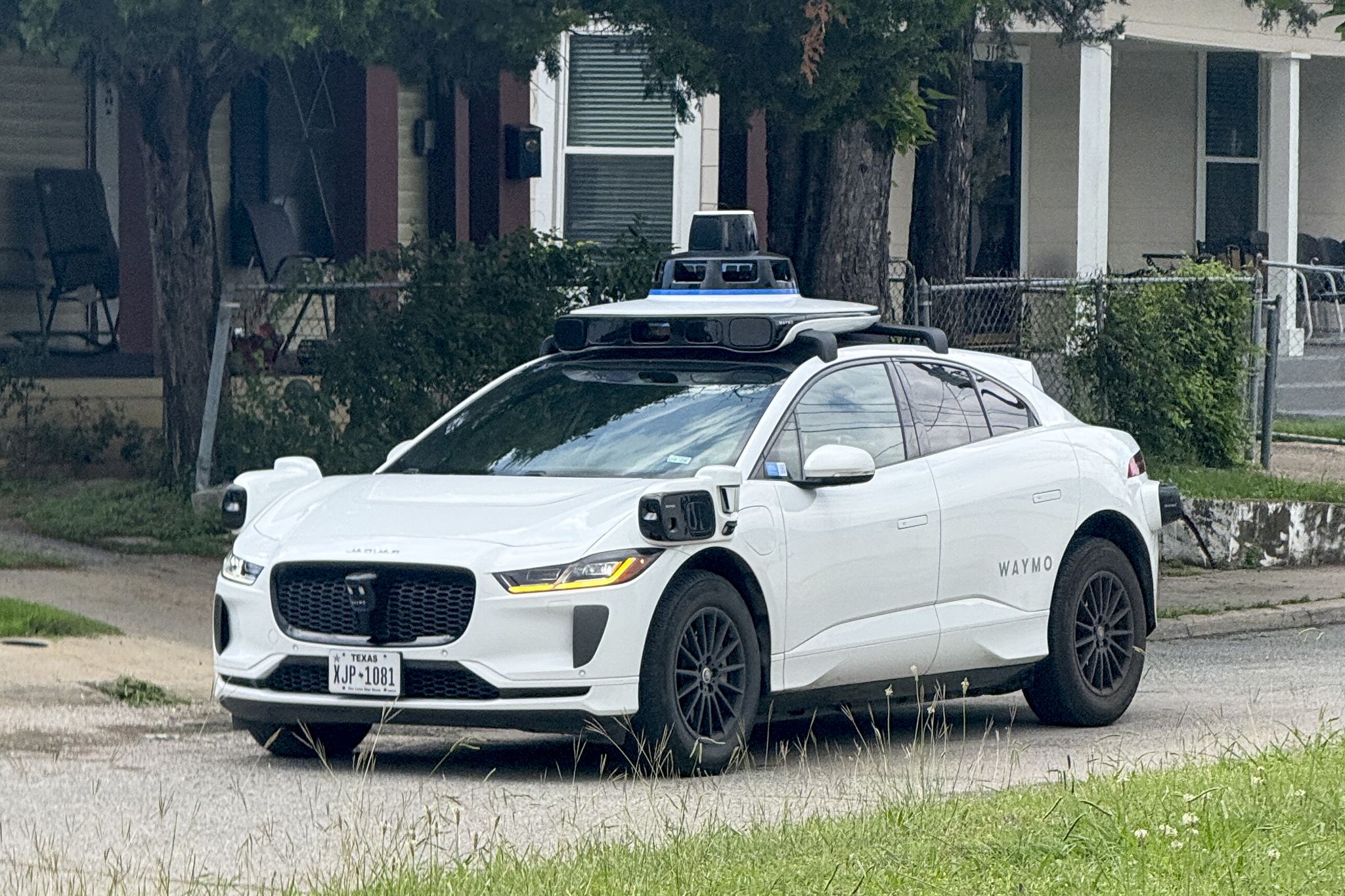
Recently published body camera footage has shed light on an incident involving a Dallas County deputy constable and an unoccupied Waymo autonomous vehicle, which was obstructing traffic in the wake of a tragic explosion and fire at The Clyde apartments in Oak Cliff on May 28. The explosion resulted in three fatalities and left five individuals injured, prompting an emergency response that included over 100 firefighters.
In the video, the deputy constable is heard urging the Waymo vehicle to clear the area for emergency responders. He expressed urgency, indicating that the vehicle must move to facilitate the movement of fire trucks and other emergency personnel. The video captures him communicating with Waymo’s rider support team, emphasizing the necessity of clearing the road for firefighters.
To assist in the situation, the Waymo employee enabled the deputy constable to manually operate the vehicle, allowing him to relocate it to a safer area. A representative from Waymo later clarified that the vehicle was attempting a three-point turn at the time of the incident and was yielding to oncoming traffic, maintaining clear passage for other vehicles. The spokesperson reinforced Waymo’s commitment to safety, noting that the interaction between its vehicles and first responders is a critical component of their operational design.
Waymo has undertaken significant efforts to train first responders across the nation, including over 35,000 personnel, with a notable concentration in Texas. The company also provides publicly accessible first responder guides and instructional videos to facilitate better coordination during emergencies.
This incident reflects ongoing challenges faced by autonomous vehicles in Texas, particularly regarding their performance during emergencies and adverse weather conditions. Waymo had previously suspended its driverless operations in multiple Texas cities earlier this year, attributing the decision to concerns related to severe weather and flooding.
As the deployment of autonomous vehicles accelerates, ensuring seamless integration with emergency services remains a pivotal issue. The effectiveness of these vehicles in demanding circumstances continues to come under scrutiny, exacerbating discussions around their role and responsibility in public safety scenarios. The incident in Oak Cliff highlights not only the potential operational challenges of autonomous technology but also the importance of clear communication and collaboration between tech companies and emergency response teams.