Discover the top food processors to save time and improve efficiency in your kitchen.
Which Food Processors Are Best for Your Kitchen?
In the realm of modern cooking, a food processor can significantly streamline the preparation process, offering efficiency in tasks such as chopping vegetables, kneading dough, grating cheese, and much more. By integrating one into your kitchen, you can drastically reduce the time spent on food prep, allowing you to focus on the culinary aspects you enjoy.
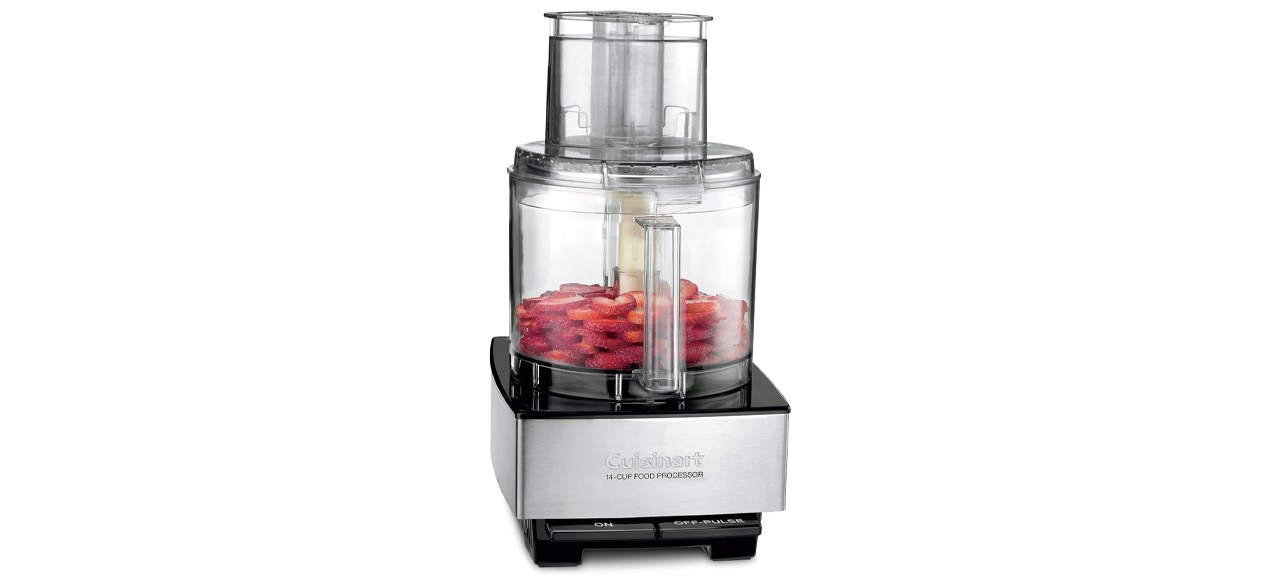
With a plethora of models available in the market, it is essential to evaluate the specific functions you anticipate using your food processor for. Robust motors are pivotal, as they determine the appliance’s capability to handle various tasks. A prominent example is the Cuisinart Custom 14 Food Processor, equipped with a 700-watt motor, allowing it to manage diverse food preparation jobs with ease.
Understanding Food Processors: Key Considerations Before Purchase
Most food processors employ a straightforward mechanism where ingredients are inserted through a chute and processed in a bowl equipped with a blade. They come with various attachments designed for different functions, which should be connected prior to use. Users can control the functions using buttons on the device.
When contemplating the purchase of a food processor, one must consider the distinction between mini food choppers and full-size processors. Food choppers, smaller in size, are ideal for light tasks and are typically less expensive. Conversely, full-size food processors offer extensive capabilities, suited for larger volumes of ingredients. These models are particularly advantageous for individuals who cook frequently or prepare meals for larger groups.
Choosing a High-Quality Food Processor
A few key factors to weigh include:
1. Bowl Capacity: The appropriate capacity depends on your cooking habits. A 3-cup bowl is sufficient for individual servings, while 9–14-cup capacities cater to larger households or batch preparations for freezing.
2. Motor Wattage: Tasks requiring substantial power, such as dough kneading or meat grinding, necessitate a motor of at least 700 watts. For basic operations like chopping, a motor between 500 and 600 watts suffices.
3. Speed Settings: Most processors feature two primary settings—on and pulse—enabling users to achieve the desired consistency without over-processing.
4. Accessories: The inclusion of various bowl sizes and attachments enhances versatility, allowing one to employ the food processor for a broader range of culinary tasks.
Cost Considerations for Food Processors
Pricing varies significantly, with mini food processors priced between and . Full-size models typically range from to 0, depending on features and capabilities.
Frequently Asked Questions About Food Processors
Food processors can come equipped with various extras, such as multiple bowls, juicers, or specialty attachments like ice crushers, tailoring them to your culinary needs. Beyond basic chopping, they excel in tasks like blending for smoothies, making whipped cream, or even preparing homemade fries.
Top Recommendations for Food Processors
For those seeking a top-performing unit, the Cuisinart Custom 14 Food Processor is heralded for its powerful motor and extensive capacity, boasting a 14-cup bowl and versatility for heavy-duty tasks. Alternatively, individuals on a budget may find the Hamilton Beach Stack & Snap 12-Cup Food Processor a practical choice, offering essential features at an affordable price. Additionally, the Ninja Master Prep Professional stands out as a compelling option for users focused on blending and basic food preparation tasks.
As consumers navigate the choices available in food processors, these factors will guide them in selecting the right appliance to meet their culinary needs, ultimately enhancing their cooking experiences.
Media News Source