
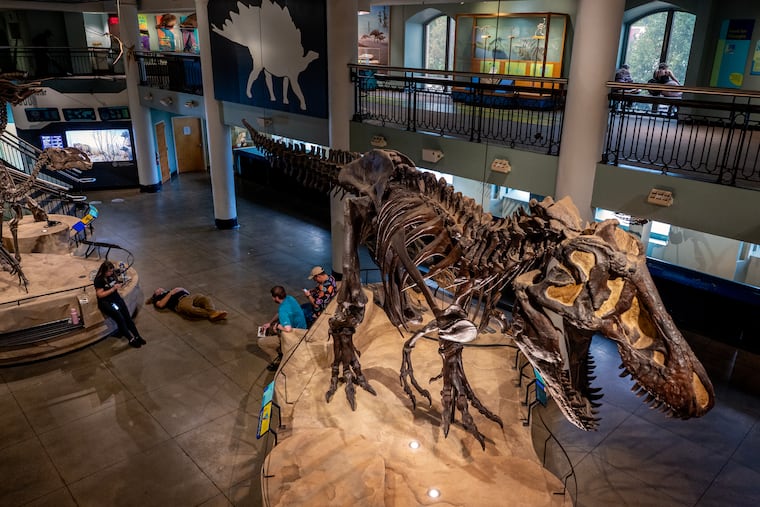
Drexel University and the Academy of Natural Sciences are entrenched in a complex stalemate regarding the future of the 214-year-old institution. The prolonged deadlock is primarily attributed to disputes over financial funding, governance control, and the overarching direction of the Academy.
The negotiations, which have reportedly ceased, are characterized by significant tension between the two institutions. David L. Cohen, a former Comcast executive enlisted to mediate the conflicts, has indicated that no further discussions are currently scheduled. This breakdown in communication follows the Academy’s expressed desire to pursue disaffiliation from Drexel, a move that has sparked disagreement over the terms of such a separation.
Amid the ongoing stalemate, both parties recently agreed to accept a feasibility study funded by the William Penn Foundation. This assessment aims to evaluate both the physical infrastructure and fiscal sustainability of the Academy, albeit it remains distinct from the issues surrounding governance and financial arrangements.
Next week, the Philadelphia City Council will commence hearings investigating the closure of the Academy’s museum, an event that has evoked considerable public outcry since its shutdown on September 27. During these hearings, Drexel President Antonio Merlo and Philadelphia’s Deputy Mayor Patricia Wellenbach are scheduled to testify, following subpoenas issued by the Council.
Cohen has expressed concerns that the Council’s actions may be detrimental to negotiations, suggesting that public scrutiny has complicated efforts to reach a resolution. Councilmember Isaiah Thomas mentioned that numerous potential donors have indicated a willingness to contribute substantial financial support once the Academy’s future becomes clearer, reiterating that clarity is essential for securing financial commitments.
Key issues at the core of the negotiations revolve around the governance structure established in an agreement made in 2011, which currently grants Drexel significant authority over the Academy. Under this framework, Drexel possesses rights over budget approval, staffing, and board appointments, leaving the Academy in a subordinate position. Drexel has maintained that it cannot continue its financial support of approximately million annually, an obligation deemed unsustainable amid its own budgetary deficits.
Despite these challenges, both parties recognize the necessity for a collaborative resolution that protects the Academy’s legacy while fostering a sustainable financial framework. Lessons from other institutions, such as Yale University’s Peabody Museum, are being contemplated; its recent 0 million funding revitalization could serve as a model for rekindling public interest and support for the Academy.
As stakeholders await the findings of the forthcoming feasibility study, the future of the Academy remains uncertain, underscoring the intricate balance of competing interests and the urgent need for decisive actions. For now, both Drexel and the Academy are at a crossroads that may determine their respective futures and the cultural legacy of a Philadelphia institution cherished by many.
Media News Source