
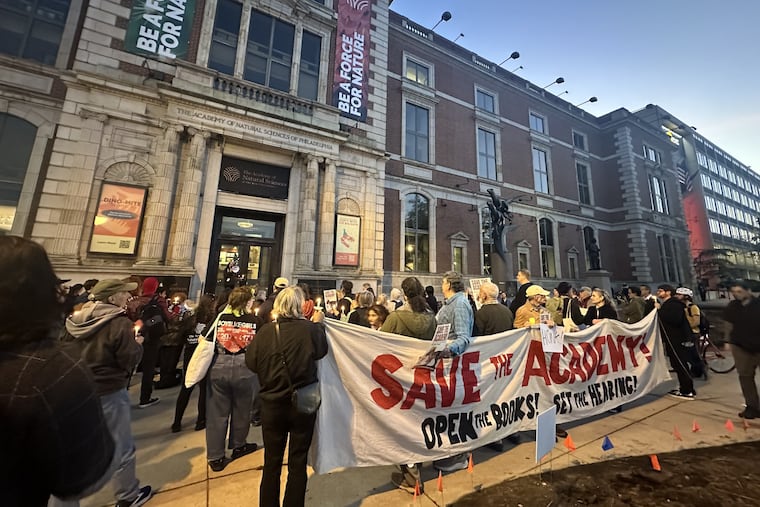
After a hesitant initial response, Drexel University has accepted a proposal from the William Penn Foundation and other philanthropic organizations to conduct a comprehensive review aimed at shaping the future of the Academy of Natural Sciences of Drexel University. This assessment will be guided by an advisory board, with the goal of developing a sustainable financial model and reviewing both the physical and fiscal state of the institution.
The review process is expected to span up to a year and will involve a team of consultants. The announcement, made jointly by the William Penn Foundation, the Connelly Foundation, the Hamilton Family Charitable Trust, the Philadelphia Foundation, and the Knight Foundation, underscores the importance of this initiative, especially following the abrupt closure of the Academy’s museum announced on September 1, 2023. The decision to close the museum came with only 30 days’ notice as Drexel and the Academy’s boards attempted to renegotiate a 15-year-old affiliation agreement.
In the weeks leading up to the museum’s closure, the William Penn Foundation suggested covering Drexel’s operating costs to maintain the museum during discussions about its future. While the Academy was open to this proposition, Drexel did not provide a definitive response, citing a lack of a viable, long-term strategy for the museum’s future.
The museum officially closed its doors to the public on September 27 after a month marked by record attendance, leaving a community of parents and children, many of whom have cherished memories associated with the nearly 200-year-old institution, concerned about its fate.
The upcoming advisory board aims to bring fresh perspectives and independent insights into the Academy’s challenges, a situation that has generated significant interest from city officials, including the governor and mayor. This level of engagement reflects the deep cultural impact the Academy has had on Philadelphia.
Drexel president Antonio Merlo expressed optimism regarding the collaborative efforts, emphasizing that the university cannot navigate this complex issue alone. The review seeks to explore a wide range of options for the Academy’s future, from maintaining the current site to relocating or reinventing its operations.
The advisory board will focus on evaluating the condition of the Academy’s buildings, assessing its financial health, and conducting a study on potential philanthropic support for the future. Input from the public and the Save the Academy Coalition, a group advocating for transparency and a return to operations, will also play a crucial role in the review.
As discussions between Drexel and the Academy regarding their partnership continue amid evolving dynamics, the Philadelphia City Council has scheduled a hearing to further investigate the situation. The decisions reached in the forthcoming months will have lasting implications not only for the Academy but for the cultural landscape of Philadelphia as a whole.