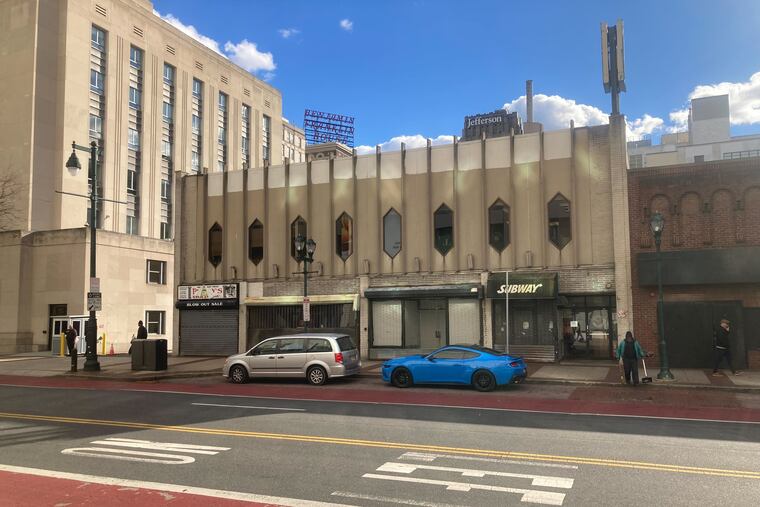
East Market Street methadone clinic set to close in Comcast and 76ers-owned building.
Addiction Medicine & Health Advocates, operating at 928 East Market Street in Philadelphia since 2009, is set to close its doors by the end of the year, raising concerns about the future of drug treatment access in the area. This clinic has provided essential services to hundreds of patients annually, serving as one of the city’s most centrally located facilities for individuals battling opioid addiction.
The closure coincides with a significant shift in the surrounding area, where numerous businesses have shut down in recent years, including nearby retail establishments. Despite these changes, the clinic maintained its operations within a discreet alcove, offering treatment services on the second floor, away from the street’s visibility. However, uncertainties surrounding the clinic’s future were amplified with the Philadelphia 76ers’ proposed developments for a new arena. These plans included extensive real estate projects aimed at revitalizing the south side of the 900 and 1000 blocks of Market Street, areas that encompass the clinic’s current location.
Although initial plans for the 76ers’ arena project fell through, the franchise, in partnership with Comcast, has indicated a continued commitment to urban redevelopment in the vicinity. Earlier this year, the two entities finalized the purchase of properties on East Market Street, including the site of Addiction Medicine. Plans have already been disclosed to demolish several properties on the 1000 block as part of these redevelopment efforts.
As the clinic approaches its closure, other addiction treatment organizations across Philadelphia have mobilized to ensure continuity of care for its patients. Methadone, a medication frequently prescribed for treating opioid dependency, is critical for managing cravings for this dangerous substance. In light of the impending closure, Community Behavioral Health (CBH), the city-contracted nonprofit coordinating behavioral health services for Medicaid recipients, is working with Addiction Medicine to facilitate a smooth transition for affected patients.
CBH has emphasized that it is focused on ensuring that Medicaid recipients continue to access essential methadone treatment without interruption. Despite the facility’s closing, CBH maintains optimism regarding the capacity of its network of 15 methadone clinics to absorb the patients transitioning from Addiction Medicine.
The shutdown of Addiction Medicine also follows the recent closure of Wedge Recovery Centers, which had previously served around 1,900 patients across eight locations in Philadelphia. The closure of both facilities points to increasing pressures within the addiction treatment landscape, including rising operational costs and a lack of sufficient government support.
Healthcare professionals and addiction advocates have expressed concern that such closures may displace vulnerable individuals seeking treatment. Methadone treatment requires stringent adherence to in-person dosing regulations, meaning relocating to a new facility can pose significant challenges for patients. The central and accessible location of Addiction Medicine, closely tied to public transportation, made it a vital resource for many seeking recovery. Experts warn that the closure could lead to gaps in treatment, and there are apprehensions about the community’s ability to meet the growing demand for methadone services as other clinics close.
The future remains uncertain for both Addiction Medicine’s patients and the broader landscape of addiction services in Philadelphia. With ongoing closures, advocates stress the importance of maintaining accessible care for those impacted by addiction while ensuring adequate resources and support systems are in place.